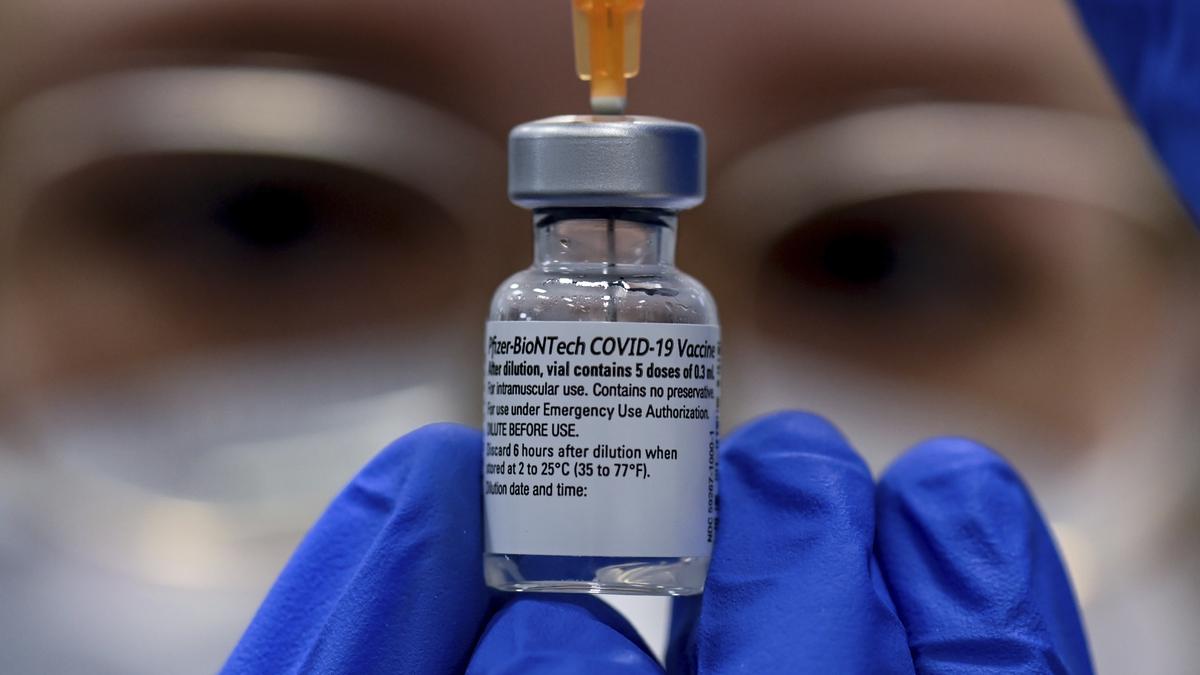
Beyond COVID-19 vaccines: what else could mRNA technology do for our health? Premium
The Hindu
mRNA discoveries have opened new possibilities for how we treat common infectious illnesses as well as genetic diseases that have previously defied treatment.
Many people first became familiar with the term “mRNA” when Pfizer’s and Moderna’s COVID-19 vaccines were rolled out. In the simplest terms, mRNA, which stands for messenger ribonucleic acid, is a type of genetic material that gives cells in our bodies instructions to make specific proteins.
More recently the 2023 Nobel Prize in Physiology or Medicine was awarded to Katalin Karikó and Drew Weissman from the University of Pennsylvania for their discoveries in mRNA biology.
These scientists’ work has underpinned multiple successful COVID-19 vaccines, which undoubtedly shifted the course of the pandemic. But their discoveries have likewise opened the door to a range of possible therapeutics which, until recently, remained elusive.
Within each of our cells are ribosomes, and micro-machines that manufacture proteins, which in turn make up everything from muscle and bone to enzymes and hormones.
mRNA is the intermediate chemical “message” that carries the genetic code locked in the chromosomes of our DNA to the cytoplasm, the fluid that fills our cells and where proteins are made.
The ability to deliver genetic information directly into a cell has been one of medicine’s most obstinate challenges. While mRNA was theoretically the most attractive way to achieve this, it was of little use as a therapy. This is because our immune system mistakes the foreign RNA as being an invading virus, mounting a powerful and toxic immune response. Injecting naked mRNA therefore can make you very sick.
ALSO READ |The trouble with a Nobel for mRNA COVID vaccines


The government plans to amend the FCRA, introducing new regulations for NGO asset management and accountability for key functionaries.

The draft policy for “Responsible Digital Use Among Students”, released on Monday by the Department of Health and Family Welfare, has recommended that parents set structured routines with clear screen-time rules and prioritise privacy, safety, and open conversation with children on digital well-being.

Police Observer Sushant Kumar Saxena conducts surprise inspection at Shencottai police station, reviewing warrants and security arrangements ahead of elections.

Andhra Pradesh government to launch key projects in April, focusing on industrial growth and infrastructure development, says Nara Lokesh.

Lok Sabha refers the Corporate Laws (Amendment) Bill to a JPC amid opposition concerns over CSR provisions dilution.

SHG members in Kanniyakumari use snakes and ladders to raise election awareness and boost voter turnout.

Government accelerates consultations for early implementation of the Women’s Reservation Act to ensure women’s representation in 2029 elections.

CM A. Revanth Reddy distributes ₹1 crore insurance cheques to families of deceased Electricity department employees, enhancing financial security for workers.

The Bengaluru Traffic Police (BTP) registered 634 cases of drunk driving during a week-long special enforcement drive conducted across the city between March 16 and March 22.

GHMC intensifies action against property tax defaulters, seizing properties and offering a One Time Settlement scheme for payments.

CCB arrests three drug peddlers in Mangaluru, seizing ₹2.5 lakh worth of MDMA and other valuables.

TVK's 28 candidates in Puducherry include former BJP MLAs, a sitting Independent, and a retired police IG.

BRS submits notice on private member bill to Speaker