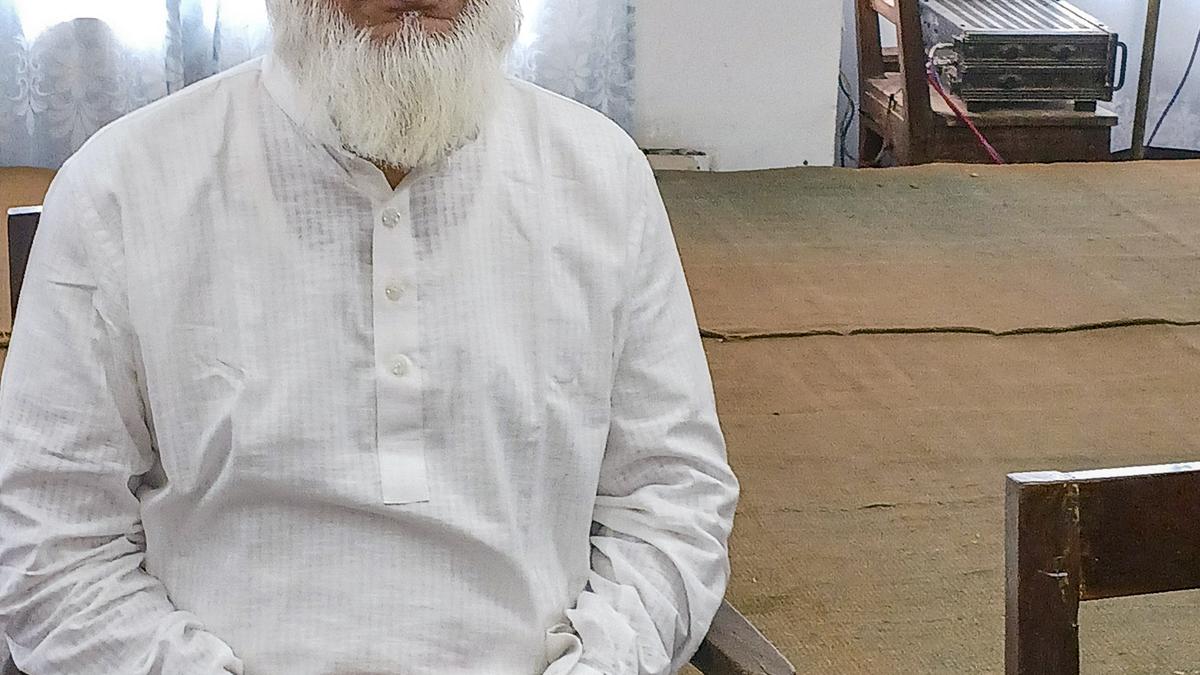
Bangladesh wants harmonious ties with India, but New Delhi mustn't interfere: Jamaat-e-Islami chief
The Hindu
Bangladesh Jamaat-e-Islami Ameer advocates for balanced relations with India, US, China, and Pakistan, emphasizing non-interference in internal issues.
Bangladesh Jamaat-e-Islami supremo Shafiqur Rahman has said his party seeks harmonious and stable ties with India but asserted that New Delhi needs to reconsider its foreign policy in the neighbourhood, as bilateral relations do not entail interfering in each other’s internal issues.
Mr. Rahman, who is the Ameer of Bangladesh Jamaat-e-Islami, stated that his party supports close relations between India and Bangladesh but also believes that Bangladesh should maintain strong and balanced relations with countries like the US, China, and “Pakistan, by leaving behind the baggage of the past.”
Mr. Rahman, 65, contended that New Delhi's perception of Jamaat-e-Islami as anti-India is mistaken, asserting that “Jamaat-e-Islami is not against any country; it is a wrong perception. We are pro-Bangladesh and are solely interested in safeguarding the interests of Bangladesh,” and emphasised that this perception needs to change.
The Jamaat-e-Islami suggested that it would have been better if former Bangladesh Prime Minister Sheikh Hasina, after resigning due to unrest, had not fled to India. He advocated for her to return to Bangladesh to face the law.
“India is our neighbour, and we want a good, stable, and harmonious bilateral relationship. However, India has done a few things in the past that did not sit well with the people of Bangladesh," he said.
Also Read: Interim Bangladesh government to prioritise relationship with India: Dhaka policy experts
"For instance, during the 2014 Bangladesh elections, a senior Indian diplomat visited Dhaka and dictated who should participate and who should not. This was unacceptable, as it is not the role of a neighbouring country. We believe India will eventually reevaluate its foreign policy concerning Bangladesh. We think interference in each other’s internal issues should be avoided,” he added.


Saudi Arabia expels Iranian military staff amid escalating tensions and ongoing missile attacks during the U.S.-Israeli war on Iran.

Russia claims control of Potapivka village in Ukraine's Sumy region amid ongoing military efforts to establish a buffer zone.

Iranian missile strikes on Israeli towns cause widespread damage and injuries, marking a significant escalation in the ongoing conflict.

As Gor makes first trip as U.S. Special envoy to South Asia, Delhi watches strategic signals closely
Sergio Gor's inaugural trip as U.S. Special Envoy to South Asia signals strategic U.S. engagement amid regional tensions.

Slovenians vote in a tight election between liberal and populist candidates, impacting the country's future domestic and foreign policies.

Netanyahu asserts U.S.-Israel alliance fights Iranian threats, emphasizing global security after missile strikes on Israeli and European targets.

Israeli settlers attack Palestinian villages in the West Bank, causing injuries and destruction amid ongoing settlement expansion.

Britain asserts no evidence of Iran planning missile strikes on Europe, despite Israeli claims of missile capabilities.

UNESCO reports over half of countries have banned phones in schools due to concerns about attention, cyberbullying, and social media impact.

Analysis reveals a U.S.-operated Patriot missile likely caused a pre-dawn explosion in Bahrain, injuring numerous civilians.

Sri Lanka raises fuel prices by 25% amid ongoing West Asia conflict, impacting petrol and diesel costs significantly.

Iran strikes near Israeli nuclear research center as Trump threatens attacks on Iranian power plants
Iran's missile strikes near Israel's nuclear site escalate tensions as Trump threatens retaliation against Iranian power plants.

Saudi Arabia intercepts one of three ballistic missiles targeting Riyadh amid ongoing regional tensions and threats from Iran.