Bangalore Dastkar Bazaar 2025 will held in the city later this month
The Hindu
Bangalore Dastkar Bazaar 2025 will be held in the city later this month
Bangalore Dastkar Bazaar 2025 will feature crafts, workshops, cultural events and food. “They are all aimed at celebrating culture, cuisines and crafts of India,” says Shelly Jain, Senior Director- Programmes Project and Personnel, Dastkar, over a call from Delhi.
Dastkar bazaar brings over 160 craft groups from across 25 states of India, with a mix of products, traditions and skills, including third-and fourth generation craftsmen and some award winning artisans.
Textiles will include cotton Jamdani, soof, aari, kantha, batik, bandhani, indigo block printing and more. “We have also always been environmentally conscious, looking at promoting sustainable products, so there will be products made from natural materials like mat, cane, golden grass and sabai grass,” adds Shelly. There will also be crafts in bell metal, leather puppet, lacquer toys, gourd and wood carving, pottery.
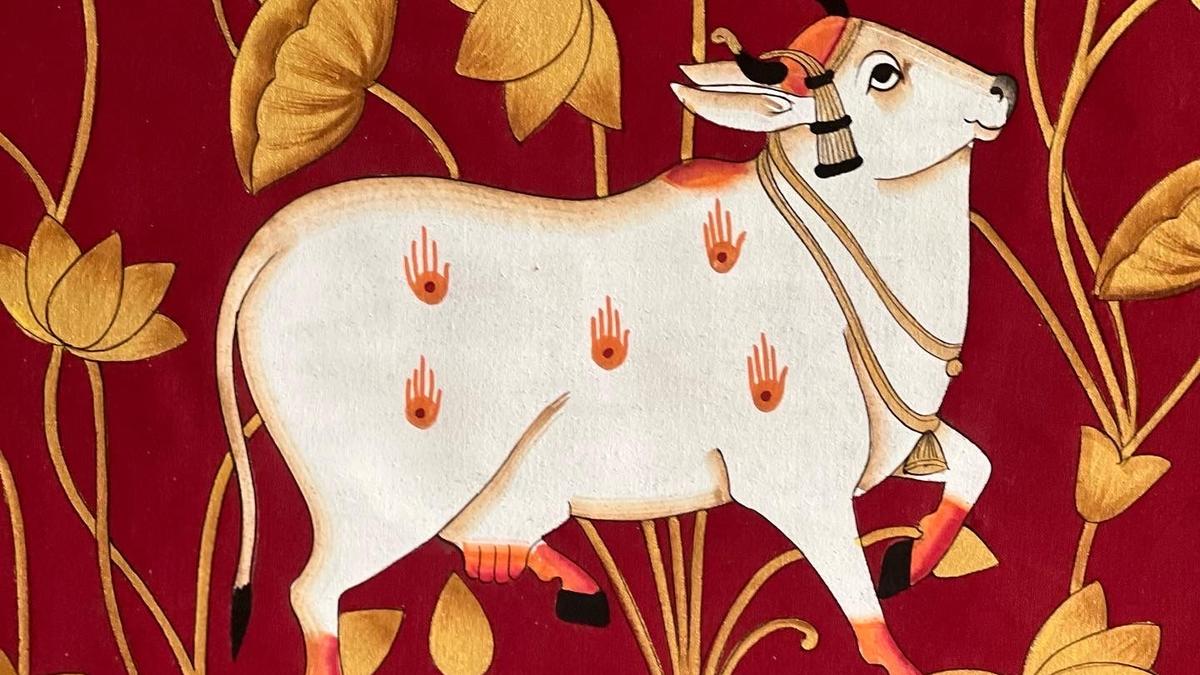
The folk arts section will feature Pichwai, Pattachitra, Bhil, Gond, Kalighat, Tanjore, and Madhubani Painting, while patrons seeking organic products can look to stalls with millet snacks, essential oils, perfumery, flavoured teas and herbal beauty products.
The Purulia Chhau dance, a masked martial arts dance form from Jharkhand, will be presented on the weekend. Dastkar, was established in 1981, focussing on empowering traditional Indian craftspeople and crafts by bridging the gap between traditional rural artisans and contemporary urban consumers.
“We strive to strengthen and support them, act as consultants, trainers, designers, and resource providers to craft groups. We are bringing 20 new craft groups to Bengaluru this year including a lacquer bangle maker, who will demonstrate his work, and an embroidery group from Gujarat.”
An added attraction is Karvati saris on tussar, says Shelly. “This craft from Maharashtra is on the verge of extinction. Craftsmen do not want their children to take to the craft due to livelihood challenges. The entire belt in Maharashtra refuses to encourage their youngsters or even pass on the knowledge of the crafts. We have started new projects with other group to keep the craft from going extinct.”


Telangana integrates with the 'Vahan' platform and eliminates 2% tax on second vehicles, enhancing transport services and transparency.

Delhi CM Rekha Gupta presents the Economic Survey 2025-26, highlighting growth in income and fiscal deficit details.

Ready for IPL 2026? The Chennai Super Kings’ 'Roar 26' event delivered several Dhoni moments, fan frenzy and an energetic AR Rahman concert.

An alleged dating app scam in Hyderabad's Jubilee Hills has reportedly swindled a man of ₹28,000 at a pub.

T.N. Chief Secretary and DGP visit Governor at Lok Bhavan, presenting flowers in courtesy call.

Eight TSPC Maoists arrested in Hazaribag, Jharkhand, with weapons and ammunition seized during a police operation.

Four ambulances of a Jewish community service in London were set ablaze in a suspected antisemitic hate crime.

Gautham Manohar hopes his photographs serve as reminders of the Earth’s delicate beauty

Thousand Lights faces parking chaos and traffic congestion despite its political significance and ongoing development efforts.

Generic semaglutide increases accessibility, but doctors caution against misuse and quality concerns

Haryana Police removes 857 links to Badshah's 'Tateeree' for objectionable content, ensuring a safer digital environment.

Congress criticises Modi for not leveraging the upcoming BRICS+ Summit to address the West Asia crisis amid U.S. tensions.

Nagapattinam faces underdevelopment and resource challenges, impacting its rich heritage and the livelihoods of its fishing community.