Badra Estates to enter local market; to float coffee hospitality business
The Hindu
Badra Estates introduces specialty coffee beans to India, expanding from international market to domestic fresh and ground coffee.
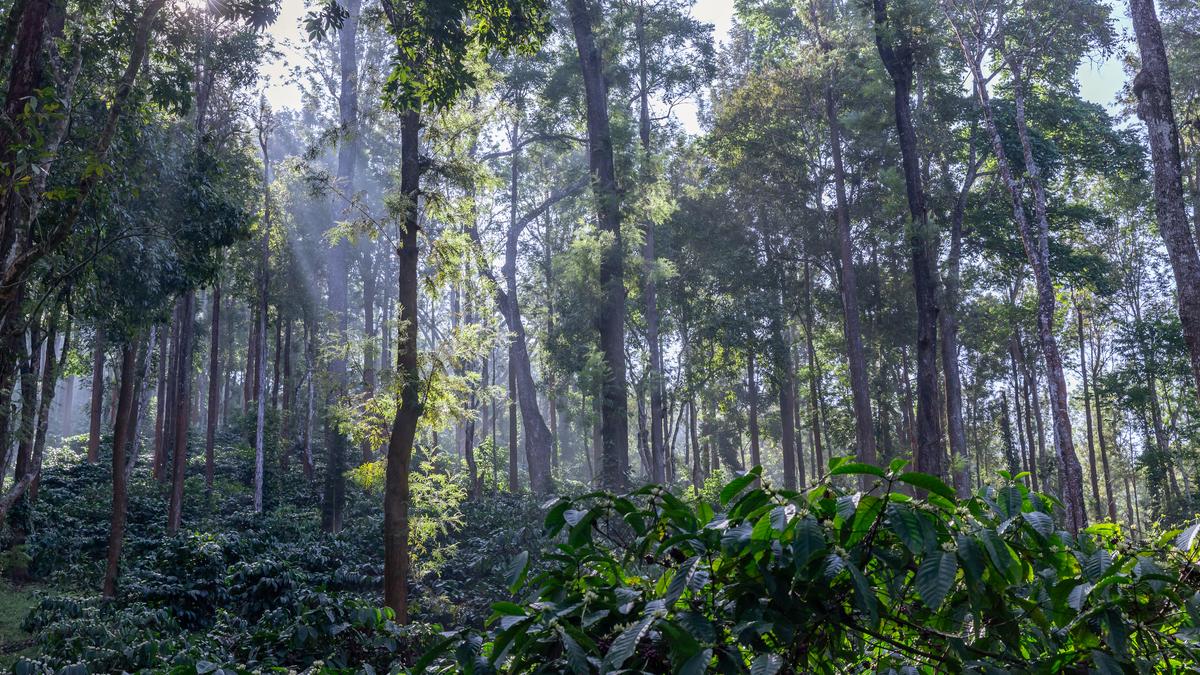
Badra Estates, a Chikmagaluru-based plantation that has been growing more than 40 varieties of specialty coffee beans for the international market since 1943, is now foraying into the fresh and ground coffee markets in India.
“We have been growing coffee for generations, for the world,” said MD Jacob Mammen. “Now, we see India emerging as a serious coffee consumer, with young people showing interest in diverse coffees and with that a coffee culture emerging as a lifestyle. We know India is ready for our products.”
Badra Estates’ Badra Coffee will introduce four varieties domestically on August 24. These include three pure coffees and a coffee-chicory blend: Temple Mountain (Arabica), Misty Heights (grown in the elevations of Baba Budangiri), Kaapi Nirvana (filter) and a blend named Dakshin Fusion.
‘’We are a bean to cup people. We are starting with these four products. However, we will introduce more flavours and limited editions of coffees and coffee flower and coffee leaves teas, depending on how the market responds in India,’‘ he said.
But, Mr. Mammen cautioned, coffee growing was becoming a tough proposition globally, with unpredictable weather conditions, droughts and floods, shortage of labour and uncertain market conditions.
Badra Estates was formed after Mr. Mammen’s great grandfather bought the plantation from Brooke Bond. It has 1500 acres of land under shade-grown and elevation grown arabica and robusta cultivation across Badra Bettadakhan, Badra Kerkeicoondah and Badra Balehonnur estates in Chikmagaluru.
‘’We are all set to start our hospitality venture. We already have some rooms ready while we are in the process of readying more. Our guests will get a complete coffee experience on our plantations with leisure and hospitality,’‘ Mr. Mammen added.


The Thane police have arrested two co-founders of cryptocurrency exchange platform CoinDCX in connection with an alleged fraud of Rs 71.6 lakh, officials said

Meta Chief Executive Mark Zuckerberg is building a CEO agent to help him do his job, the Wall Street Journal reported

Insurance penetration and density are often misunderstood and do not reveal how many families are insured or whether they would be financially secure if the main earning member were to die. The real issue is not reach but adequacy, as households may have life insurance but not enough cover to replace lost income, leaving them financially vulnerable.

Five top firms lose ₹1 lakh crore in market value, with HDFC Bank experiencing the largest decline of ₹56,124.48 crore.

L&T confirms 95% of its West Asia project sites are safe, while addressing logistics challenges amid ongoing regional conflicts.

Mines Ministry to auction 19 critical mineral blocks on March 23, expanding strategic resources for clean energy and technology sectors.

Mines Ministry to auction 19 critical mineral blocks on March 23, expanding strategic resources for clean energy and technology sectors.

Five top firms lose ₹1 lakh crore in market value, with HDFC Bank experiencing the largest decline of ₹56,124.48 crore.

HDFC Bank terminates three senior officials over client onboarding issues at its DIFC branch amid ethical concerns following chairman's resignation.

Air India CEO warns of potential flight cuts and reduced travel demand due to rising fuel costs amid ongoing Gulf conflict.

Options are widely used by retail traders to speculate on the value of the stock for immediate gains and such behaviour in large scale can distort the market

India achieves 1 billion tonne coal production for the second consecutive year, ensuring stable energy supply and economic growth.

Generic drugmakers in India launch affordable Semaglutide versions, targeting a $1 billion diabetes and weight loss market.