Assam tribal council prepares community-based roadmap for development
The Hindu
Assam's Bodoland Territorial Region (BTR) unveils a community-based vision document for 26 ethnic groups, aiming for peace and development.
GUWAHATI
The Odias are too few to be a political force in Assam’s Bodoland Territorial Region (BTR). Ditto with the Hajongs, Kurukhs, Madahi Kacharis or Scheduled Caste sub-groups such as the Hiras and Patnis.
These ethnic groups were among 26 – the numerically larger Adivasis, Gurkhas, Koch-Rajbongshis and Muslims included – that shared space in a community-based vision document released by Assam Governor Lakshman Prasad Acharya on Monday (December 30, 2024).
Assam: For BJP ally, bye-election win a boost for 2025 Bodoland Territorial Council elections
Pramod Boro, the chief executive member of the Bodoland Territorial Council (BTC), said the first-of-its-kind vision document was a New Year gift for these communities to acknowledge their role in helping maintain peace across BTR during his tenure since 2020. The areas under BTR have had a history of ethnic and communal conflicts.
The BTC administers the 8,970 sqkm BTR comprising five districts inhabited by 31.55 lakh people, including the Bodos, the single-largest Scheduled Tribe in Assam.
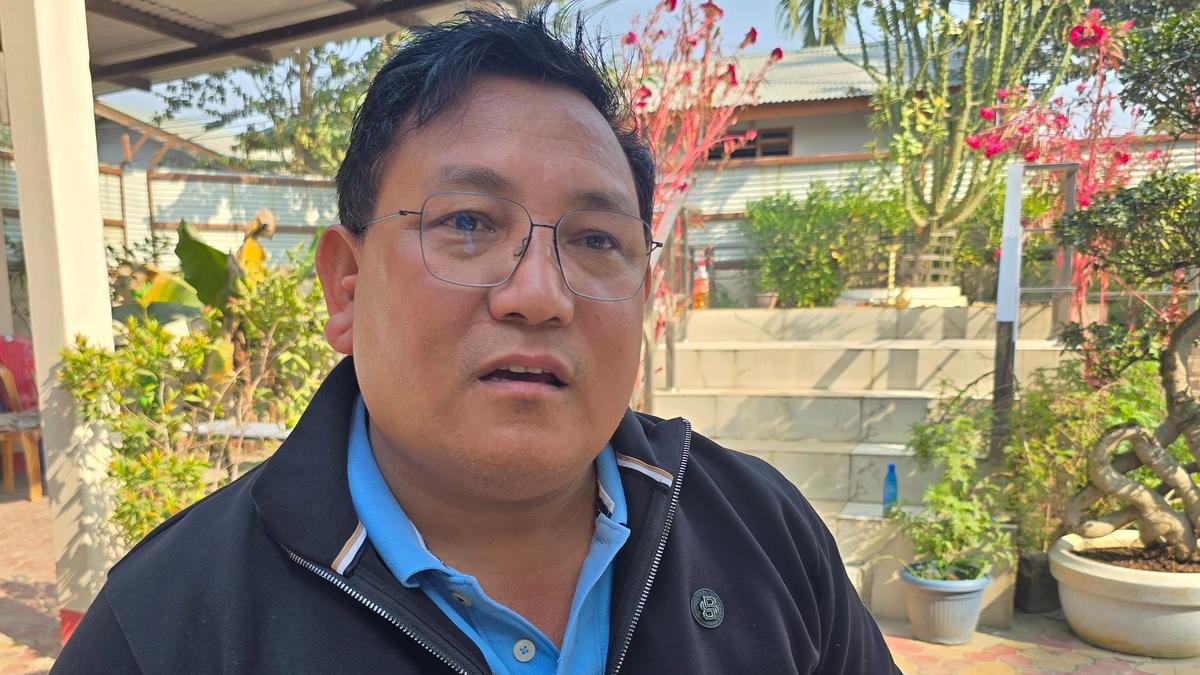
“This vision document is one of my dream projects and a gift from the BTC for the 26 communities, most of whom did not get the kind of attention they deserved from the government as citizens of the country with equal rights,” Mr. Boro told journalists in Guwahati, about 220 km east of BTC headquarters Kokrajhar.


Erode district conducts first EVM randomisation for April 23 Assembly elections, ensuring transparency and fairness in allocation.

TNCC conducts public consultation in Erode to gather community input for its upcoming election manifesto.

CID to investigate sexual assault allegations against suspended Moodbidri Police Inspector P.G. Sandesh, reveals Home Minister Parameshwara.

A 50-year-old woman was found dead in southwest Bengaluru’s Kengeri in the early hours of Monday, the police said.

Papanasam dam's water level reaches 66.15 feet, with inflow at 76 cusecs and discharge at 300 cusecs.

Development without impact: Coastal residents of Kanniyakumari and Nagercoil constituencies voice discontent

Rampant encroachments in Tiruchi threaten pedestrian safety and traffic flow, undermining smart pavement initiatives and exacerbating congestion.

Discover Kerala's electoral history in 'Vottarivu,' a 201-page booklet released ahead of the 2026 Assembly elections.

Experts at a floriculture conference in Shivamogga stress the need to reduce greenhouse gas emissions and enhance soil carbon levels.

First randomisation of EVMs and VVPATs for Tiruchi and Perambalur districts completed with political party representatives present.

Puducherry elections see ongoing DMK-Congress rift over seat-sharing, leading to candidate conflicts on nomination day.

Einstein College and Sri Sarada College in Tirunelveli celebrated significant events, honoring academic excellence and cultural heritage.

Priyanka Gandhi criticises PM Modi's West Asia remarks, urging for a comprehensive Parliament discussion on the matter.