As U.S. pauses new visa interviews, why international students matter | Data
The Hindu
U.S. visa interview scheduling paused, social media vetting expanded for foreign students, impacting universities and economy.
The U.S. has paused scheduling of new visa interviews globally and expanded its vetting of accounts of foreign students on social media. This is the latest move in a series of intrusive measures carried out by the Donald Trump administration targeting international students and premier universities in the U.S.
This decision comes days after the administration tried to block the University of Harvard from enrolling international students. Only a month ago, the government targeted several U.S. universities, accusing them of fostering anti-Semitism. Earlier this year, the government also revoked thousands of international student visas with barely any notice. The administration claims that the move is part of wide-ranging efforts to limit immigration. Data indicate that it could have a significant impact on U.S. universities and the U.S. economy.
The Open Doors International students’ data shows that the U.S. hosted an all-time high of more than 1.1 million international students in 2023-2024, a 6.6% increase from the previous year. Students from India and China together formed more than 50% of all international students U.S. last year (Chart 1).
Chart 1 | The number of international students to the U.S. in the 2016-17 to 2023-24 period
A Data Point article published last month found that the number of student visas issued to Indians by the U.S. dropped by 30% in February 2025, the first month of the second Trump administration, compared to the same month the previous year. This decline was much higher than the overall decrease in student visas granted by the U.S. to all countries combined.
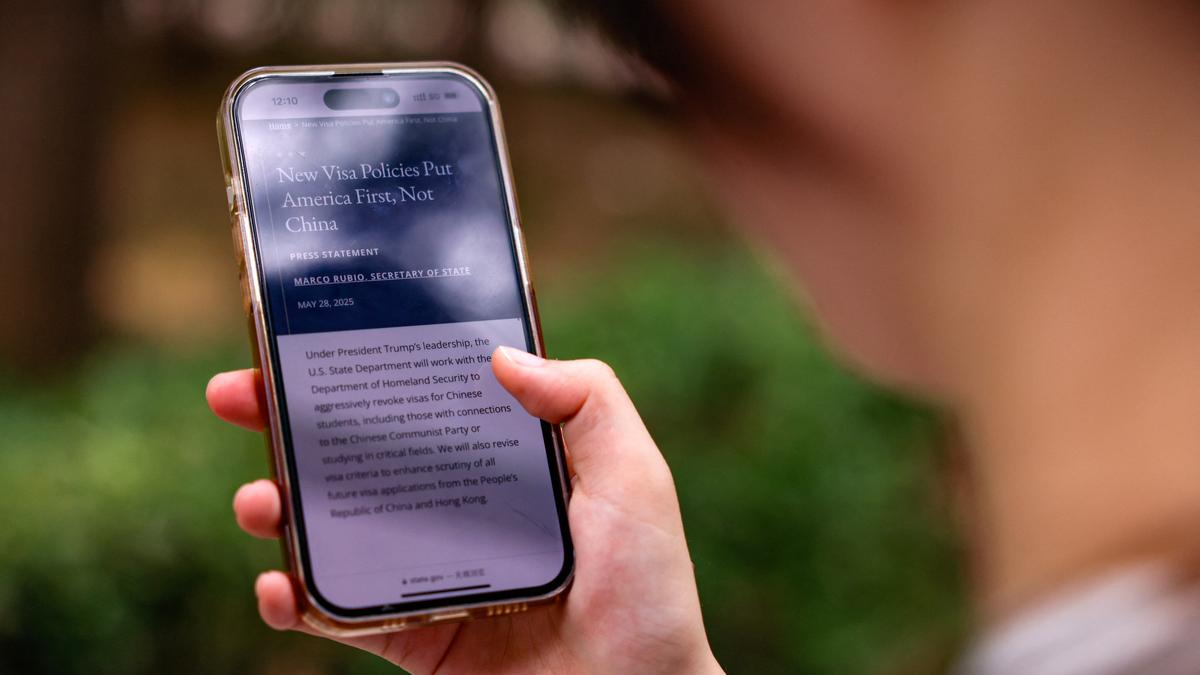
On May 28, Secretary of State Marco Rubio said that the U.S. State Department will work with the Department of Homeland Security to aggressively revoke visas for Chinese students, including those with “connections” to the Chinese Communist Party or studying in critical fields.
Data shows that international students from India and China are engaged in key science and research fields and contribute significantly to the U.S. economy. They also formed the highest share among international students who applied for Optional Practical Training Extension for STEM Students. This allows eligible F-1 international students with STEM degrees to gain additional work experience in the U.S. and work for an employer (Chart 2).


IEA chief warns of a potential energy crisis worse than the 1970s, with 11 million barrels lost daily amid regional conflicts.

Cuba begins restoring power after a nationwide grid collapse, affecting thousands amid an ongoing energy crisis and blackouts.

The Hindu LIVE updates on March 23 2026 on Iran-Israel war. Iran faces deadline of US President Donald Trump warning to open Strait of Hormuz

Brazil's Lula condemns renewed colonialism and U.S. interference in developing nations at a summit in Colombia.

Saudi Arabia expels Iranian military staff amid escalating tensions and ongoing missile attacks during the U.S.-Israeli war on Iran.

Russia claims control of Potapivka village in Ukraine's Sumy region amid ongoing military efforts to establish a buffer zone.

Iranian missile strikes on Israeli towns cause widespread damage and injuries, marking a significant escalation in the ongoing conflict.

As Gor makes first trip as U.S. Special envoy to South Asia, Delhi watches strategic signals closely
Sergio Gor's inaugural trip as U.S. Special Envoy to South Asia signals strategic U.S. engagement amid regional tensions.

Slovenians vote in a tight election between liberal and populist candidates, impacting the country's future domestic and foreign policies.

Netanyahu asserts U.S.-Israel alliance fights Iranian threats, emphasizing global security after missile strikes on Israeli and European targets.

Israeli settlers attack Palestinian villages in the West Bank, causing injuries and destruction amid ongoing settlement expansion.

Britain asserts no evidence of Iran planning missile strikes on Europe, despite Israeli claims of missile capabilities.

UNESCO reports over half of countries have banned phones in schools due to concerns about attention, cyberbullying, and social media impact.