As India’s summer begins, understanding the heat and health conundrum
The Hindu
Anthropogenic climate change is causing dangerous high heat, leading to heat-related illnesses and fatalities, requiring urgent adaptation measures.
Anthropogenic climate change is turning ambient heat, a relatively banal manifestation of the sun, into an inevitable environmental hazard. In 2023, with the atmospheric carbon dioxide level reaching new heights of 425 ppm, we witnessed the warmest decade on record spanning from 2014 to 2023. Until a few decades ago, hazards of high heat largely existed in confined, fire-based occupational settings or for people who exerted in hot weather for a long time, e.g. soldiers, athletes, and workers, and during occasional heatwaves.
Mentions of heat stroke have been found in literature since ancient times. With rising global temperatures, dangerous high heat has begun permeating our routine indoor spaces. This gradual expansion of the realm of extreme heat is potentially the gravest consequence of climate change for India.
India has observed a significant mean temperature increase of 0.15 degrees C per decade since 1950, according to a 2020 assessment by the Ministry of Earth Sciences. The observed warming is not occurring evenly across India. Warm days and warm nights have also increased at about seven and three days per decade, respectively, during the period 1951-2015. Currently, 23 States, mainly of plain and coastal regions, are considered more vulnerable to widespread heat impact. However, that doesn’t mean hilly states are safe. Although their maximum temperatures do not reach heatwave threshold levels of 45 degrees C, the population is experiencing higher temperatures compared to previous decades.
Exposure to severe or continuous heat leads to heat stress. When uncompensated, heat stress manifests as heat-related illnesses. Such illnesses range from superficial/mild and manageable (e.g. prickly heat, heat-related swelling, heat cramps, heat exhaustion) to a medical emergency (i.e. heat stroke). Heat stroke is the most severe of heat-related illnesses: it presents with impaired brain function (i.e. stroke) due to uncontrolled body heating. It is a time-critical condition that often turns fatal if there is a delay or failure in reducing body temperature by rapid, active cooling. Besides neurological impairment, high core body temperature (at least 40 degrees C), or hot, dry skin are other heat stroke symptoms. These may be confused with fever. Clinically, a diagnosis of heat stroke poses a unique challenge as it requires the elimination of other causes of stroke, history of infection, and medication overdose.
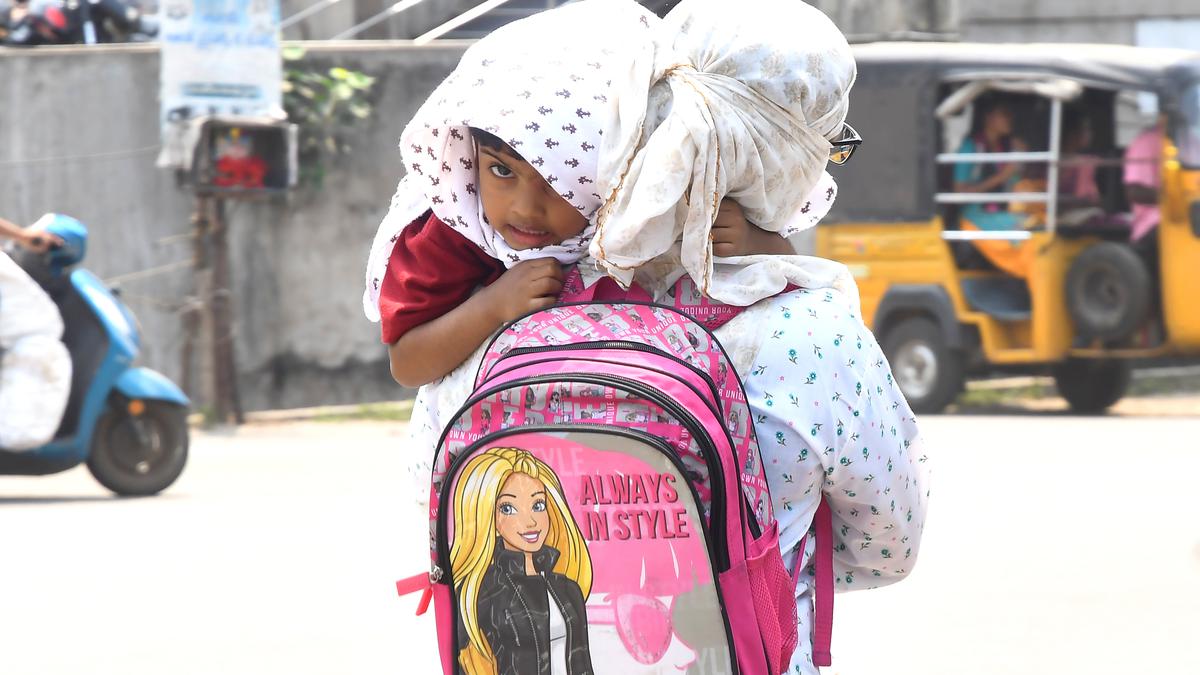
There are two types of heat stroke. Exertional heat stroke is seen in young, fit individuals performing strenuous physical activities in hot or outdoor environments. It develops within one to two hours of exertion, especially when physical efforts are unmatched by physical fitness, even at moderately high temperatures. On the other hand, relatively slow-developing classic heat stroke is often difficult to fathom, challenging to identify instantly, and deadlier. Observed in individuals lacking the ability to regulate body temperature, e.g. children, the elderly, the sick, and the disabled, this heat stroke is more common during heatwaves. It contributes to about 9-37% of heat-related fatalities during heatwaves, and hence is also called epidemic heat stroke. Importantly, it occurs in hot environments in the absence of strenuous physical activity as individuals fail to perspire or cool off.
Heat stroke is different from other medical conditions in that it does not require the transmission of a virus or bacteria from one person to another, nor does it need the violence of physical trauma that may occur from a gunshot, fall, or due to a cyclone. Someone in perfect health and participating in what seem to be normal activities may die from heat stroke within an hour.
The heat-related illnesses mentioned above are not the only cause of emergency or mortality during hot summer days. Normal human body temperature stays within a narrow range of 36.3-37.3 degrees C. It maintains thermal balance through radiation (40%), evaporation (30%), convection (27%), and conduction (3%). Any external or internal condition that increases body temperature invokes various physiological responses changing cardiovascular, kidney, and metabolic systems, driven by increased blood flow to the skin and dehydration.


Perundurai's industrial growth faces challenges of pollution, water scarcity, and healthcare, impacting residents ahead of the 2026 elections.

The Travancore Devaswom Board asserts that courts should respect community beliefs in its Supreme Court submission on Sabarimala's entry issue.

Karnataka cancels Deendayal Upadhyay event at KSOU due to protocol violations, citing inconsistency with university objectives.

Illegal pickle unit busted in Hyderabad, one arrested; unhygienic stock worth ₹3 lakh seized

Karnataka has entered a state of demographic transition where a large working-age population will no longer be enough to drive economic growth, and future gains will depend on how productively people are employed, the ‘State of Working India 2026’ report said.

Key demands in Sulur Assembly constituency include reviving the powerloom sector, addressing farmers' needs, and protecting River Noyyal.

Kodihalli urges Karnataka CM to allocate ₹10,000 crore revolving fund for seamless procurement of farm products under MSP scheme.

Kerala's political parties continue to marginalize women candidates, highlighting a troubling disconnect between gender demographics and representation.

The High Court of Karnataka on Tuesday ordered the issue of a notice to the State government on a PIL petition, which had complained about disturbances caused to people residing in the localities around the National Public School situated in Rajajinagar 5th block due to use of loudspeakers with high volume in the school and parking of school buses in residential areas.

China is extensively mapping ocean floors to enhance submarine warfare capabilities against the U.S. and allies across key oceans.

AIADMK's 2026 manifesto promises free rations, women's benefits, education reforms, and economic growth initiatives for Tamil Nadu.

The vehicle towing drive will soon resume in the city to ease traffic congestion. The Bengaluru Traffic Police (BTP), in coordination with the Greater Bengaluru Authority (GBA), is set to relaunch the vehicle towing drive across the city shortly to tackle traffic congestion and illegal parking.

Panic buying, not shortage, is leading to long queues at Hyderabad petrol pumps.