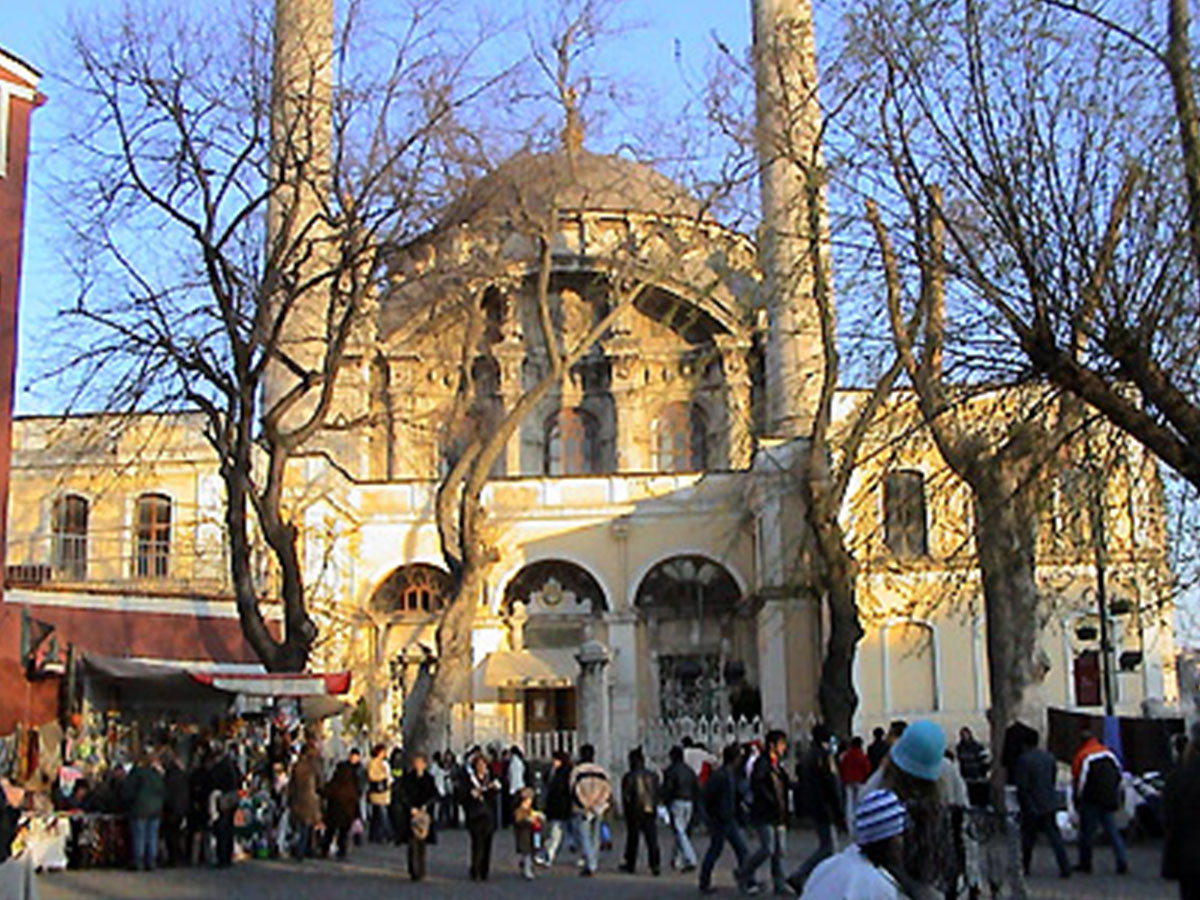
"As if I Ate" Mosque in Istanbul Embodies Story of Frugality that Became Lasting Legacy
The Peninsula
Istanbul: In the heart of the historic Fatih district in Istanbul, Turkiye, where daily life intersects with the features of Ottoman history, stories...
Istanbul: In the heart of the historic Fatih district in Istanbul, Turkiye, where daily life intersects with the features of Ottoman history, stories lie hidden among the old alleyways, reaching beyond the walls of mosques and the bustle of markets.
Among these stories stands a mosque, small in size yet great in symbolism, known as "Sanki Yedim", or "As If I Ate”.
Built in the 18th century during the Ottoman era, it is not distinguished by grand architectural design or elaborate decoration. Rather, its renown comes from a unique story that embodies the values of modesty and frugality, and shows how simple sacrifices can leave a lasting mark on a city’s memory.
According to narrations, the story of the mosque dates back to a man who lived in the Fatih district. It is said that his name was Kececi Hayreddin Efendi, while another narration identifies him as Sakir Efendi. He wished to build a mosque at his own expense, but it seems that he was of limited financial means. Whenever he walked through the market and felt the desire to buy meat, sweets, or fruit, he would tell himself, "Sanki yedim” - meaning "as if I Ate” - refrain from buying, and instead put the price of what he wanted in a special box in his home.
He maintained this practice for many years, until, through this simple act of saving, he accumulated enough to build a small mosque to serve the people of his neighborhood. His dream was realized after nearly twenty years.


Baghdad: Two unmanned aerial vehicles crashed in Iraq, authorities said, with no human casualties or material damage reported. A security source sa...

Doha, Qatar: The Amir HH Sheikh Tamim bin Hamad Al Thani received a phone call on Tuesday from thePresident of the Republic of Slovenia HE Nata a Pirc...

Washington, United States: NASA s chief on Tuesday said the US space agency will invest $20 billion to develop a base on the Moon, while suspending it...

Doha, Qatar: Weather inshore until 6am on Wednesday will be partly cloudy to cloudy with scattered rain, thundery at times, the Department of Meteorol...

Doha, Qatar: Weather inshore until 6am on Wednesday will be partly cloudy to cloudy with scattered rain, thundery at times, the Department of Meteorol...

Brussels: Growth in the eurozone s private sector slowed in March 2026, as conflict in the Middle East drove up energy costs and disrupted companies...

Doha, Qatar: The State of Qatar expressed its sincere condolences and deep sympathy to the sisterly United Arab Emirates on the martyrdom of a civilia...

Doha, Qatar: The State of Qatar expressed its sincere condolences and deep sympathy to the sisterly United Arab Emirates on the martyrdom of a civilia...

Doha, Qatar: The Ministry of Defense of the United Arab Emirates has announced today, March 24, 2026, that one person was killed and five others were...

Doha, Qatar: QatarEnergy on Tuesday declared force majeure on some of its affected long term liquefied natural gas (LNG) contracts, according to a...

Manama: Amazon s cloud arm told AFP on Tuesday that its service in Bahrain had been disrupted, after drone attacks hit the region. An Amazon Web Se...

Geneva: The United Nations Human Rights Council will hold an urgent debate Wednesday on Iran s military attacks against Qatar, Bahrain, Kuwait, Oman,...

Manila: Philippine President Ferdinand Marcos declared a state of national energy emergency on Tuesday, citing risks to the domestic fuel supply and...