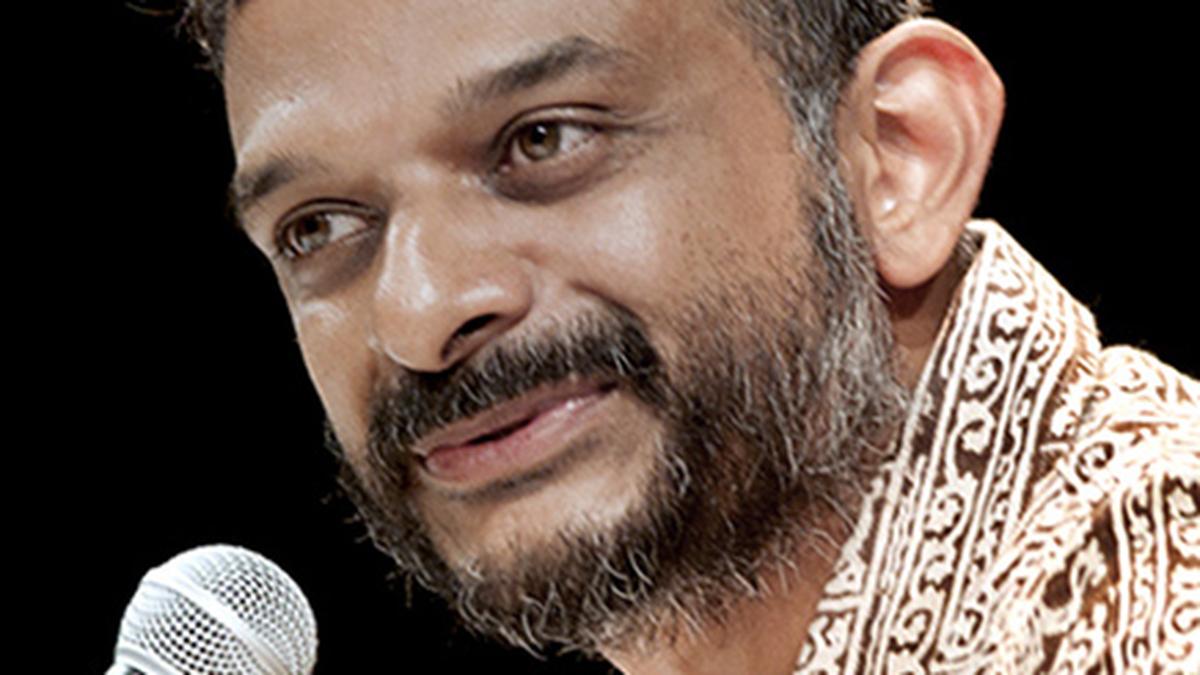
Art should be accessible to incarcerated persons, says T.M. Krishna
The Hindu
The transformative power of art
Sumanasa Foundation hosted an art showcase at Puzhal Central Jail featuring performances and pieces created by incarcerated people to mark the completion of one year of the ‘Art in Prisons’ initiative.
Developed in collaboration with Project 39A, ‘Art in Prisons’ emphasises the significance of creativity in people’s lives and hopes to make art practices accessible to all. The project builds a safe space for those imprisoned to express their artistic ability, and also gain opportunities to learn visual arts including pottery and fine arts, music, and theatre, that could potentially help them after their release. To enable students to make the sessions a regular part of their routine, a model has been designed with the prison administration to ensure participants receive compensation on the days they attend classes.
The learning and training sessions have already encouraged conversations on art practices amongst students.
The recent showcase featured plays, musical performances, and art and craft exhibits within the space of Puzhal Central Jail that have been produced and perfected by the incarcerated students.
Research has shown that arts programmes have “a wide range of benefits” for prisoners and, among other aspects, allow them to “re-define their identity”. It motivates them to own their work and understand the skills they are building in the process.
Musician, Author and Sumanasa Foundation’s Trustee, T M Krishna says: “A prison is not a place that should be considered as separate from society. Art, which is part of our societal landscape, should be accessible to prison inmates. I do not see this project as a rehabilitation programme, but if inmates do feel that they have been enriched and transformed, then that has happened as a consequence of this project. Our philosophy is simple, everybody must be able to express themselves using the language of art. I do feel very strongly that in every prison there must be an ‘Art Block’ for visual arts, music, theatre and dance.” a m
Swaminathan, a theatre practitioner and facilitator part of the programme, says: “It was amazing to watch the transformation of a disparate group one year ago - to now, a team of ten actors helping each other, enjoying each other’s company and working hard to bring together a production. The theatre facilitators visited the prison and imparted several aspects of theatre training by incorporating different methods and adapting them for the prison inmates, their psyche and circumstances. It was a learning experience for trainers and trainees alike”


Actor-director Amol Palekar will receive META's Lifetime Achievement award for 2026 on March 25 in New Delhi.

India's artists unite against rising censorship, advocating for creative freedom and support for marginalized voices in the arts.

Written and directed by Kunal, the film also stars Sparsh Shrivastava and Vanshika Dhir

This year, Bharatnatyam artistes will present the Tyagaraja Aradhane as a dance performance

This year, Bharatnatyam artistes will present the Tyagaraja Aradhane as a dance performance

The actor, along with director Sushant Shah, speak about their upcoming series ‘Chiraiya’, Divya’s process of working on the dialect, Sushant’s approach to telling a story about women, and more

An independent video, ‘Feel the Spark’ by Raleigh Rajan with vocals by Ciera Dumas that celebrates Tamil literary giants, garnered 1.4 million views in less than 36 hours.

In ‘Jack Ryan: Ghost War’, John Krasinski is back as the savvy CIA analyst, diving headfirst into a high-stakes mission that unravels a deadly conspiracy and pits him against a rogue black-ops unit

Shriram Bharatiya Kala Kendra’s Shankarlal festival showcased rare ragas, radiant artistry, and inclusive performances, from Pt Madhup Mudgal’s serene morning ragas to Ramana Balachandran’s Saraswati veena.

Explore "Threads that Bind: The Kantha Project," an exhibition in Delhi reimagining kantha as a medium of repair and renewal.

Sean Penn skips the Oscars to meet Ukraine's Zelenskyy, who praises him as a "true friend" amid the war.

The teaser of Tamil star Suriya’s much-awaited film with director Venky Atluri, titled Vishwanath and Sons, was unveiled by the makers on Monday

A 'Golden' moment for a K-pop track at the Oscars.