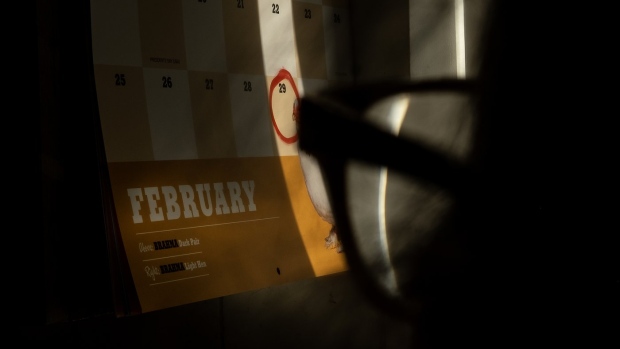
Are you getting paid for an extra day of work on Feb. 29?
BNN Bloomberg
This leap year, some financial experts say they're seeing an unexpected trend: employees asking if they get paid for working on Feb. 29.
Every four years, the calendar gains a day to sync up with the Earth's movement around the sun. Yet inquiries about what it means for paycheques hasn't previously been noticeable.
"This is one of the first times that we've seen a lot of interest around this topic and questions of 'Am I working for free on the 29th?'" said Brittany Taylor, an employment lawyer and partner with Rudner Law in the Greater Toronto Area.
She speculates increased awareness of employment rights might be behind the leap day payroll chatter. The last leap year was in 2020 and arrived just before the COVID-19 pandemic transformed the way many people think about work.


Every year, billions of dollars in tax credits and benefits go unclaimed in Canada. Here are five commonly missed tax

A key question hangs over the Federal Reserve’s two-day meeting that ends Wednesday: Will central bank policymakers still reduce short-term interest rates this year, now that the Iran war has sent oil prices higher and gas prices spiking? Or will they have to stand pat for months to see how the conflict plays out?

Wall Street followed global markets higher Wednesday and the price of U.S. crude fell eased despite a new barrage of attacks by Iran on its Gulf neighbors.

Jay Allen is a fan of U.S. President Donald Trump, and voted for him on the belief that the Republican would cut taxes and trim regulations, helping his manufacturing business in northeast Arkansas.

Shares advanced Wednesday in Europe and Asia as oil prices fell back slightly despite a barrage of attacks by Iran on its Gulf neighbours.

Every year, billions of dollars in tax credits and benefits go unclaimed in Canada. Here are five commonly missed tax

Oil prices resumed their rise on Tuesday because of the war with Iran, but U.S. stocks held steadier this time around.

Oil prices above $100 add pressure on inflation and growth, complicating rate decisions for central banks.

Closing arguments are set to kick off Tuesday in a trial pitting Elon Musk against Twitter shareholders who say the world’s richest man engaged in a pattern of deceptive behavior that misled investors as he attempted to back out of his US$44-billion deal to buy the social media platform in 2022.

Markets in Canada and the U.S. were up in late-morning trading on Tuesday despite the ongoing war in Iran.

St. Patrick’s Day will test restaurant bar sales as Canadians drink less, with declining consumption and shifting habits weighing on industry revenues.

New York Stock Exchange-parent Intercontinental Exchange said on Tuesday it has launched a product to bring greater transparency to the private credit market, an asset class beleaguered by heightened investor concerns.

Oil tankers are crossing the Strait of Hormuz and Iran’s actions to choke traffic through the shipping route have not hurt the U.S. economy, White House economic adviser Kevin Hassett told CNBC on Tuesday, reiterating the Trump administration’s position that the war should be over in weeks, not months.