Anurag Kashyap interview | On ‘Maharaja’, ‘Bad Cop’ and the state of artistic freedom in India
The Hindu
The acclaimed filmmaker and inveterate actor discusses his spree of ‘baddie’ roles in Hindi and southern films, the timidity of streaming services, and the need for state support for independent voices
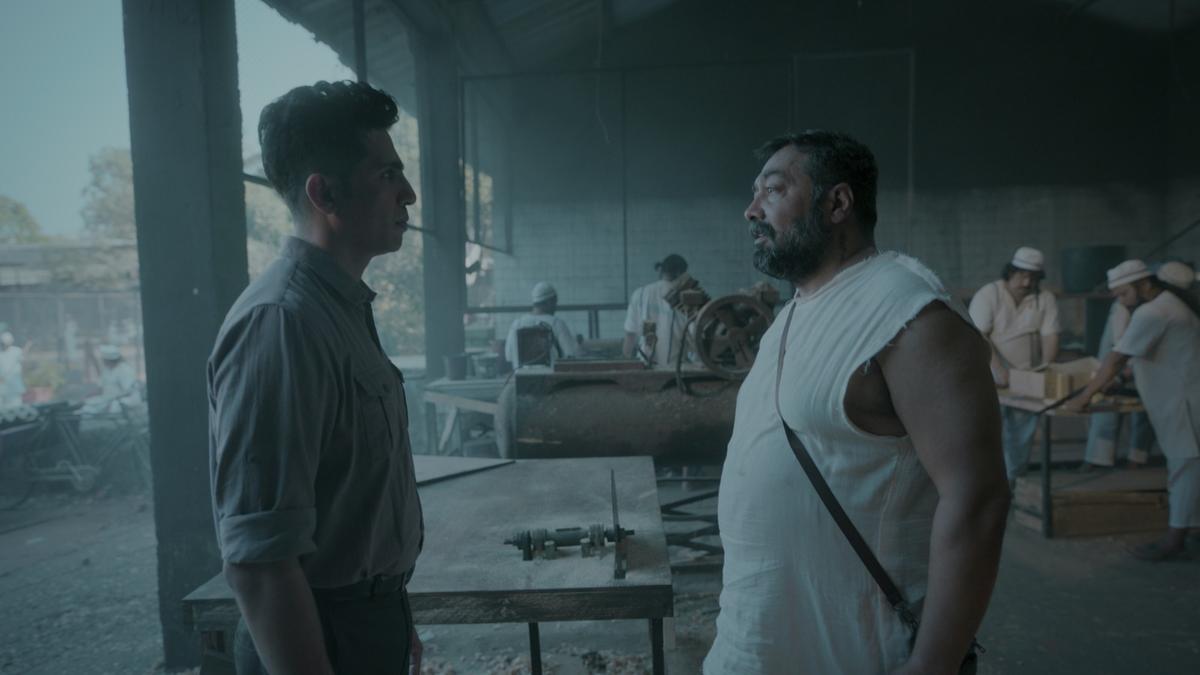
It was only a matter of time before someone cast Anurag Kashyap and Gulshan Devaiah in a kitschy crime thriller together. Kashyap, acclaimed director of films like Gangs of Wasseypur and Ugly, has built a lucrative second career playing snarly heavies and agents of corruption. And Devaiah, who started his career under Kashyap’s wing, has flourished wonderfully on streaming, as the twin successes of Duranga and Dahaad — plus an outlandish cameo in Guns & Gulaabs — showed.
In Bad Cop, premiering on Disney+ Hotstar on June 21 and adapted from the German television series by RTL, Devaiah and Kashyap square off in a tale of cops, criminals, mad twists and some slo-mo-assisted Gun Fu. The series is directed by Aditya Datt (Commando 3) and marks the first fiction offering by Freemantle India.
We ask Kashyap, who also essays the antagonist opposite Vijay Sethupathi in the Tamil film Maharaja, what endears him to these roles. It is a stereotype he appears to exult in, unlike, say, someone like Rick Dalton, the fading movie star played by Leonardo DiCaprio in Once Upon a Time... in Hollywood.
“I love dying,” Kashyap says with a grin. “I tell my directors to give me incredible death scenes.(laughs).” His favourite death scene, he adds, is when Quentin Tarantino explodes near the end of his own Django Unchained (2012). “My biggest fantasy is that, at the end of my life, I’ll get Amit Trivedi or AR Rahman to compose a song and put together all my death scenes.”
“But why are you talking about death scenes?” Devaiah, dressed in a light pink suit, breaks in. “What’s that got to do with Bad Cop?”
“Nah, I mean, I don’t have a problem playing evil,” Kashyap explains.
”In the hope that you will get to die in that story...” Gulshan summarises teasingly.


Khalid Rahman is reuniting with Malayalam superstar Mammootty after Unda (2019). The Thallumaala director has teamed up with the veteran for Mattancherry Mafia.

Bollywood actor Akshay Kumar paid tribute to the martial arts grandmaster and Hollywood’s action star, Chuck Norris, who passed away on Thursday, March 19, 2026.

Renowned Odissi dancer Madhumita Raut, aged 59, dies of cardiac arrest, leaving behind a legacy of artistic achievements.

Chuck Norris, iconic martial arts master and actor, dies at 86, leaving behind a legendary legacy and internet memes.

South African naturalist Steve Boyes speaks on ghost elephants, ancestral tracking, and Werner Herzog’s documentary exploring Angola’s elusive highland giants

Actor-director Amol Palekar will receive META's Lifetime Achievement award for 2026 on March 25 in New Delhi.

India's artists unite against rising censorship, advocating for creative freedom and support for marginalized voices in the arts.

Written and directed by Kunal, the film also stars Sparsh Shrivastava and Vanshika Dhir

This year, Bharatnatyam artistes will present the Tyagaraja Aradhane as a dance performance

This year, Bharatnatyam artistes will present the Tyagaraja Aradhane as a dance performance

The actor, along with director Sushant Shah, speak about their upcoming series ‘Chiraiya’, Divya’s process of working on the dialect, Sushant’s approach to telling a story about women, and more

An independent video, ‘Feel the Spark’ by Raleigh Rajan with vocals by Ciera Dumas that celebrates Tamil literary giants, garnered 1.4 million views in less than 36 hours.

In ‘Jack Ryan: Ghost War’, John Krasinski is back as the savvy CIA analyst, diving headfirst into a high-stakes mission that unravels a deadly conspiracy and pits him against a rogue black-ops unit