Anonymity in electoral bonds scheme was ‘selective’, not ‘fool-proof’, says SC
The Hindu
Supreme Court concludes that electoral bonds do not provide fool-proof anonymity, allowing political parties to know contributors' identities.
The Supreme Court on Friday concluded that the anonymity promised by the Union government through electoral bonds was hardly “fool-proof”. In fact, the anonymity advertised in the electoral bonds scheme was meant for the public, not for the political party receiving the money, the court said.
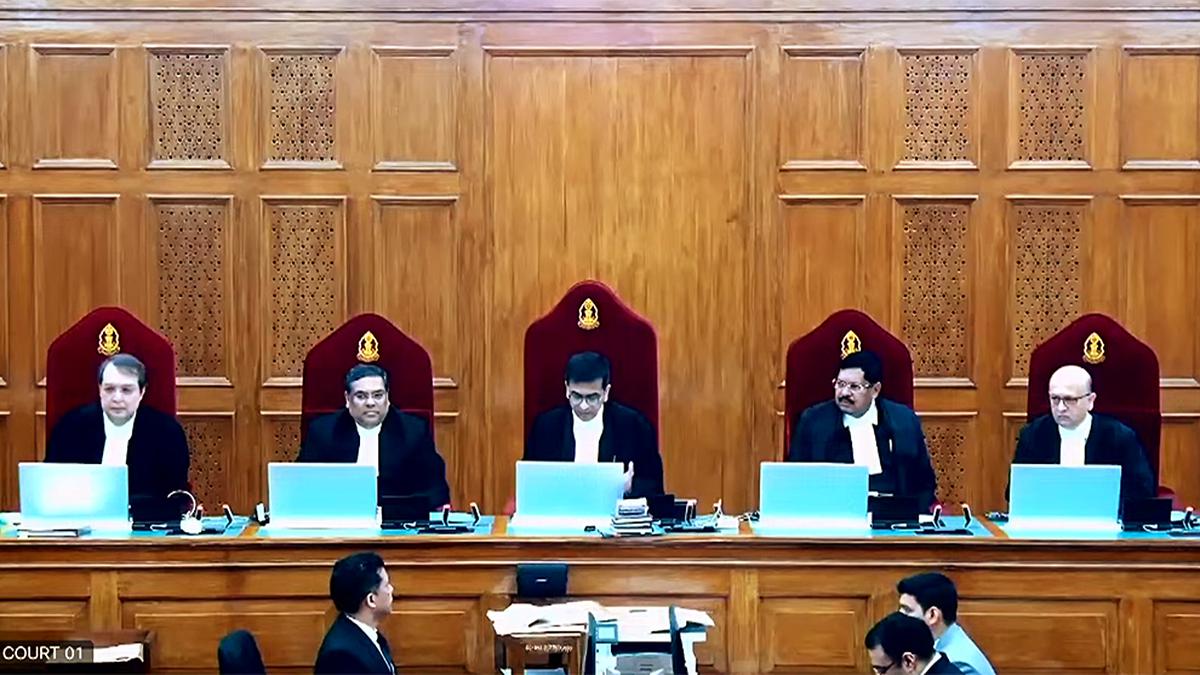
“While it is true that the law prescribes anonymity as a central characteristic of electoral bonds, the de jure anonymity of the contributors does not translate to de facto anonymity,” a Constitution Bench headed by Chief Justice of India D.Y. Chandrachud observed in its judgment quashing the scheme.
Supreme Court verdict on electoral bonds | Follow for LIVE updates, political reactions on February 15, 2024
The court underscored the fact that 94% of the contributions were made through the purchase of electoral bonds in the denomination of one crore rupees. It wondered whether contributors would really want to remain anonymous after donating such large sums.
“Electoral bonds provide economically resourced contributors who already have a seat at the table selective anonymity vis-à-vis the public and not the political party,” Chief Justice Chandrachud said.
The five-judge Bench found enough and more “gaps” in the electoral bonds scheme for political parties to know the identity of and even personally get in touch with political contributors.
Chief Justice Chandrachud referred to Clause 12 of the scheme, which stated that an electoral bond could be encashed only by the political party by depositing it in the designated bank account.


Madras HC dismisses S.P. Velumani's petition challenging I-T assessment of ₹7 crore as unexplained election expenses from 2016.

The Lok Sabha passes a contentious Transgender Bill, sparking praise from the government and criticism from opposition parties.

Kamal Haasan announces support for DMK in 2026 elections, emphasizing the need for 'Dravidian Model 2.0' for Tamil Nadu's welfare.

Y.S. Sharmila critiques massive concessions for the AMNS steel plant while advocating for the Visakhapatnam Steel Plant and job creation.

Puducherry Assembly elections test the INDIA bloc's unity as parties file nominations amidst seat allocation uncertainty.

T.N. CM Stalin advocates for constitutional safeguards to maintain state representation in delimitation amid women’s reservation discussions.

Rohit Pawar files complaint in Bengaluru alleging conspiracy in Ajit Pawar's air crash; Maharashtra police had refused FIR.

Armed extremists attack Mongkot Chepu village again, firing on students and injuring civilians amid rising tensions in Manipur.

TGNPDCL bags ‘Governance Now’ award

Perundurai's industrial growth faces challenges of pollution, water scarcity, and healthcare, impacting residents ahead of the 2026 elections.

The Travancore Devaswom Board asserts that courts should respect community beliefs in its Supreme Court submission on Sabarimala's entry issue.

Karnataka cancels Deendayal Upadhyay event at KSOU due to protocol violations, citing inconsistency with university objectives.

Illegal pickle unit busted in Hyderabad, one arrested; unhygienic stock worth ₹3 lakh seized