Andhra’s Koya tribe faces brewing conflict over sacred Mahua flower
The Hindu
Koya tribe faces cultural threat as SEB raids Mahua liquor, impacting traditions and livelihoods in Andhra Pradesh.
In mid-April, 25-year-old Madakam Janakamma was filled with joy as she started preparations for the naming ceremony of her first child due in two weeks. A part of Koya tribe celebrations, liquor brewed from dried Mahua flowers was central to her plans. She took stock of the 20 litres of liquor that she had already brewed from flowers collected earlier, before heading to the lone Mahua tree in her backyard. She was about to collect the flowers scattered on the ground, when two unexpected visitors in a government vehicle, arrived at her house located in a remote village of Andhra Pradesh. They identified themselves as the staff of the Special Enforcement Bureau (SEB), a newly-created wing of the State police responsible for enforcing sand and liquor regulations.
“I was working in the fields nearby when the police came to raid our house. Janakamma was alone at home at that time. She had brewed nearly 20 litres of Mahua liquor and police took away half of it. They also took the Aadhaar cards of all our family members,” says Janakamma’s sister-in-law Madakam Adamma, 30, who stays in the same house.
The following day, the police returned the documents after Janakamma’s husband shelled out ₹10,000 so that no further legal charges would be slapped against the family for brewing Mahua, says Adamma.
Towards the end of April, Janakamma delivered a baby girl, but the naming ceremony was held without Mahua liquor, a cultural shock for the family’s Koya friends and relatives.
Their village, Kokkeragudem, in Alluri Sitarama Raju district, is nestled in the heart of a jungle with 50-odd households. It is located about 5 kilometres deep within an isolated forest from the Chintoor-Bhadrachalam national highway on the Andhra Pradesh-Chhattisgarh border. The village takes great pride in conserving Mahua trees, and remarkably, has three times more such trees than homes.
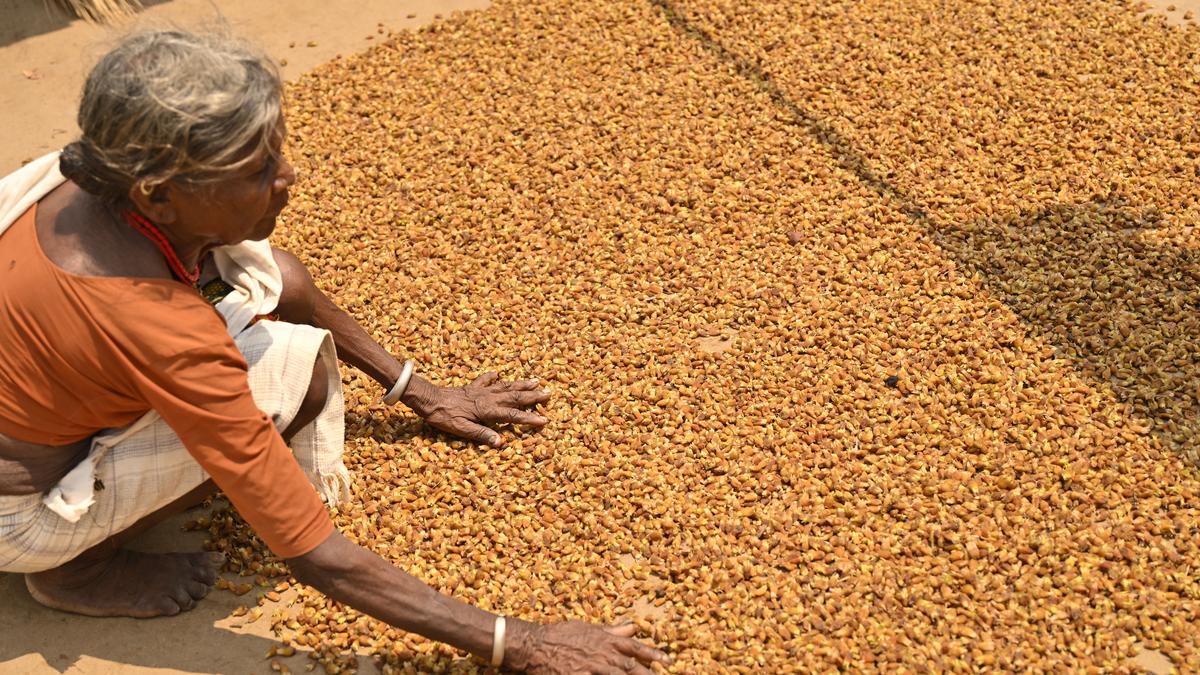
Mahua, a tropical tree known by its scientific name Madhuca longifolia, holds great significance in the lives of various tribal communities in India. In Koya society, the tree is considered sacred and forms part of several rites and rituals. Its flowers bloom in early summer and are primarily used for brewing liquor. Dry flowers serve as a major source of income for the collectors. In the Godavari Valley of Andhra Pradesh, the Koyas extract edible oil from Mahua nuts.
Janakamma was not the only one to be caught unawares by the SEB officials. The same month, Ravva Bhuvaneswari, a 24-year-old Koya woman, was alone at home, waiting for her parents to return from the forest around dusk, when SEB personnel in plainclothes showed up for a whirlwind raid. “They entered our house and conducted a search. They seized two bottles of Mahua liquor stored in our almirah. They also clicked my photo on their phone and asked me to inform my parents that they should visit the police station. My fellow villagers watched all this helplessly,” recalls Bhuvaneswari.


T.N. CM Stalin urges the Centre to build consensus with transgender persons before imposing changes to the Trans Amendment Bill 2026.

Trump's engagement with Pakistan as a mediator for Iran echoes Nixon's historical diplomacy with China amid shifting geopolitical dynamics.

Telangana's Petroleum Dealers Association assures no fuel shortage, attributing temporary stock issues to panic buying fueled by rumors.

The Ottiyambakkam panchayat had an harrowingly difficult time keeping people from swimming in the deadly quarry with its protruding rocks under the water. There had been many deaths. And then nature intervened, and the fatal accidents stopped. An invasive, floating weed that is a bane of water sources everywhere, the water hyacinth is not just tolerated in the quarry but welcomed

Fuel supply panic causes severe traffic congestion in Hyderabad on March 25, 2026, prompting police intervention to manage long queues and road chaos.

Mohamed Salah will leave Liverpool at season's end, concluding a remarkable nine-year tenure at Anfield.

Telangana CM to hold urgent meeting on March 25 to address petrol, LPG, and urea stock concerns amid rising demand.

Karnataka Minister announces efforts to resume separate Haj terminal at Mangaluru airport, pending Centre's approval.

Ahead of the Assembly election, DMK Youth Wing secretary and Deputy Chief Minister Udhayanidhi Stalin has tasked the party youth wing members with meeting young voters every day till the polling day to explain various achievements of the ‘Dravida model government’ to them.

Bird flu outbreak in Chhattisgarh's Bilaspur kills 4,400 chickens, prompting increased surveillance and culling measures.

Four queer activists discuss the repercussions of the Trans Amendment Bill 2026 on dignity and identity within the community.

Explosion in Ooty's Botanical Garden highlights Tamil Viduthalai Padai's protest against Hindi imposition and demand for Tamil Eelam.

Assembly polls 2026: Follow updates from The Hindu on the upcoming elections in five States on March 25, 2026