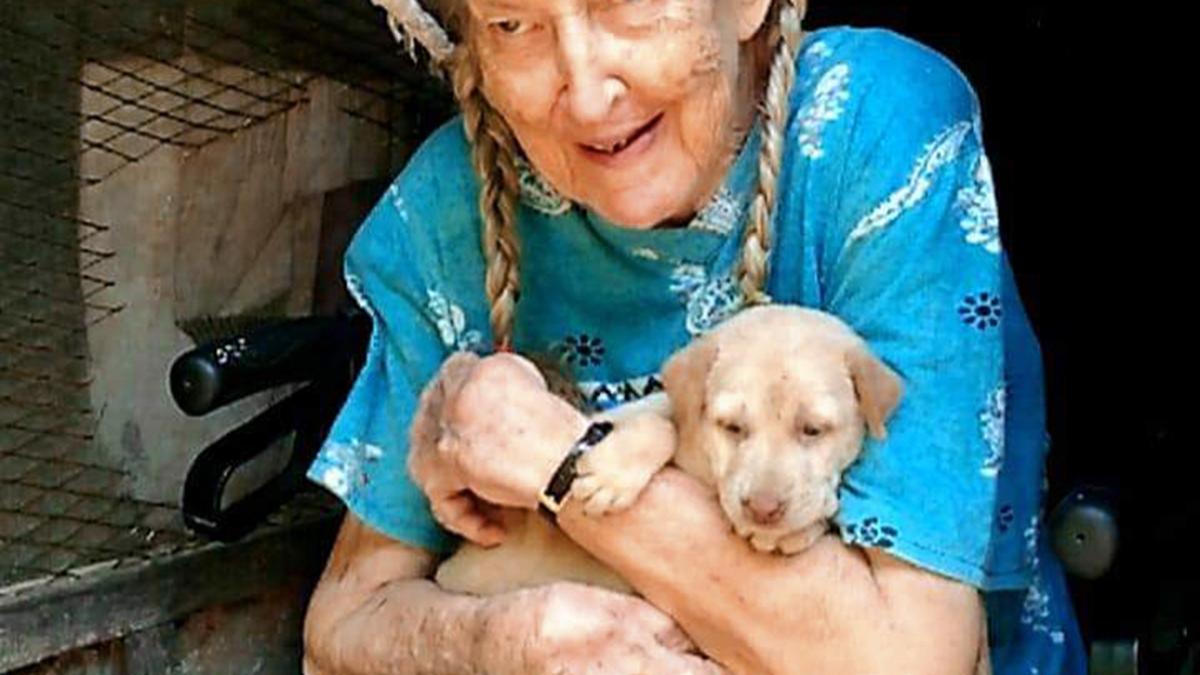
American doctor who became the beacon of hope and ‘Missiyamma’ of Ambur
The Hindu
Alice G. Brauer, a missionary and gynaecologist, dedicated her life to improving healthcare in rural India with love and compassion.
For the poor, she was a beacon of hope and bouquet of bliss. She was with them in their best as well as worst of times. The very sight of ‘Missiyamma’ (mother in Tamil) driving her jeep into their villages, they believed, would drive away the evil spirits that brought upon them disease and death.
In the late 1960s, when Alice G. Brauer, an Indian-born American gynaecologist and missionary, came to India to work at Bethesda Hospital at Ambur in present day Tirupattur district, she saw extreme poverty and illnesses. The villagers’ poor health disturbed her. The hospital was run by the India Evangelical Lutheran Church from 1919 to 2015.
The fledgling state was struggling to meet the healthcare needs of remote villages where maternal mortality rate and infant mortality rate were high. Institutional deliveries were very few, while poor hygiene accentuated preventable diseases such as chickenpox, cholera, whooping cough, and polio. Immunisation efforts were nascent. Alice knew Ambur was not her Wonderland. The dusty and sun-scorched town in northern Tamil Nadu threw up many challenges. Acceptance was hard to come by. People were hesitant. Ironically, they had faith in quacks. Superstitions possessed them strongly.
Alice first broke the alien tag that scared the locals away. She steadily managed to strike up acquaintances by paying frequent visits to their villages. She won the hearts of children by giving toffees and then of women by listening to their woes. She addressed their medical emergencies, thus saving several precious lives.
She convinced the women to have institutional deliveries, asking them to reach out to Bethesda Hospital. She launched a personalised mechanism to monitor neonatal and postnatal mothers, visiting them at their homes. She maintained a record of deliveries and created awareness of the importance of immunisation.
The treatment was offered free. Those who could afford contributed. She, however, used those small sums to make fortified flour for mothers and infants who chronically suffered from nutrient deficiencies, which had been the main cause of maternal mortality.
Alice thus became their revered and loved ‘Missiyamma’. By the early 1980s, her missionary stint came to an end. But Alice stayed back. “She remained because she did not have the heart and soul to leave us, the people whom she loved most. ‘Missiyamma’ and we had grown into each other’s hearts,” said a 60-year old woman from a village. Alice had taken care of the deliveries of both her daughters. Notwithstanding the closure of the hospital in 2015, she continued to serve the people with a small but dedicated team.


Residents of Tiruttani constituency seek enhanced support for livelihoods, highlighting issues in agriculture, weaving, and temple management.

Opposition MPs and activists voice strong concerns against proposed amendments to the Transgender Persons Act at a Delhi hearing.

Telangana Chief Minister Revanth Reddy intends to shape the party’s future with young faces

Iran-Israel war: Follow the latest updates from The Hindu on the West Asia war, on March 22, 2026

Karnataka plans delegation to Union government for Mahadayi basin project clearances and seeks water release from Maharashtra.

Ekante Bliss hosted a walkathon in Tirupati to promote health, community engagement, and support social impact initiatives.

Maharashtra raises commercial LPG supply by 20% to 50% of pre-crisis levels, benefiting hotels and food-related businesses.

Mumbai police arrest eighth suspect in Rohit Shetty residence firing case, linking the incident to the Shubham Lonkar gang.

Governor Arlekar emphasizes that justice must embody human values, fairness, and accessibility for all citizens at VIT conference.

Justice Bhuyan emphasizes the judiciary's role as impartial, condemning reckless criminal cases and advocating for dissent and fair bail practices.

Vijay announces candidates for all 30 Puducherry Assembly segments as TVK prepares to contest independently on April 9.

Kerala LDF ministers declare assets nearing ₹2 crore each amid upcoming elections, revealing financial details and legal challenges.

Sunil Ambekar of RSS discusses organisational changes and initiatives to unify India and address social challenges in an exclusive interview.