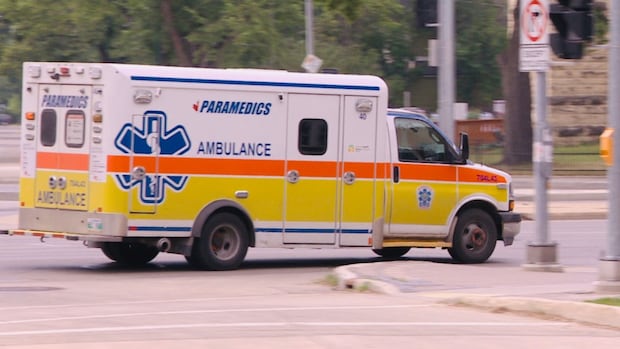
Ambulance response times improve in early months of Winnipeg's new 911 dispatch system
CBC
Ambulances are getting to life-threatening emergencies faster since the launch of a five-priority dispatch system around two months ago, according to the Winnipeg Fire Paramedic Service.
The city started using the new way of triaging medical calls made to 911 on April 23, replacing an old two-priority system.
The new approach "makes sense for our system. It actually makes more sense for the patients, too," said Ryan Sneath, the fire-paramedic service's deputy chief of paramedic operations and training.
It's aimed at making sure first responders are available for the most critical cases, while reducing how often emergency vehicles have to race through traffic with lights and sirens.
The move comes with call volumes rising in Winnipeg for both fire and medical-related incidents.
Calls to 911 are now triaged into five different categories, with both fire and paramedic crews going to Priority 1 calls with lights and sirens.
The lower the priority, the less urgent the response.
Sneath said early numbers show ambulances are getting to life-threatening calls faster.
"That time has improved by about two minutes on average," said Sneath.
Prior to the change, ambulances were responding to life-threatening calls in about 16 minutes on average, 90 per cent of the time, he said. That number is down to 14 minutes under the new system.
"Our goal is to see improvements in that," said Sneath.
As part of Winnipeg's integrated response model, trucks with a firefighter-paramedic on board are often first to respond within the national standard of under nine minutes.
Sneath said that remains unchanged under the new dispatch system.
Under the new system, a Priority 1 call is the most time sensitive and yields the biggest response.


About 30 properties in the Fraser Valley are under evacuation alert as the atmospheric river pummeling B.C. increases flood and landslide risks in several parts of the province.

WARNING: This story references allegations of child abuse.

Police say it was a 67-year-old Chatham man who died while scuba diving at the Erieau marina on Wednesday morning.

Enmax declared its lowest dividend, to be paid to the City of Calgary, in four years in its 2025 financial results.

Rilee Willianen says the City of Thunder Bay has received wide-ranging feedback about its plans to create designated encampment sites.

The Ontario government is planning to outlaw sky-high ticket resale prices, according to a news release.

As March break comes to an end, there are lots of fun events happening on the weekend in Waterloo region, Guelph and Wellington County.

Yukon RCMP are renewing their plea for public help in the investigation into an unsolved 2023 double homicide near Mayo.

Thousands of Muslims in Calgary will mark the end of Ramadan by celebrating Eid al-Fitr on Friday, bringing to a close a month of worship, reflection and fasting.

Dozens of people walked through downtown London Wednesday night shining candles in honour of a First Nation’s woman found dead in the city last month, while also calling for increased awareness about missing and murdered Indigenous peoples.

Have tips for navigating telecom customer service? We want to hear from you. Click the “Join the Conversation” button above. On the app? Join here.

The Health Sciences Centre's cardiac catheterization lab has just completed a major upgrade. It’s been a makeover five years in the making, and officials say the waitlist is already improving.

Jamie Cleveland started his Ford Escape like he did every morning outside his Dartmouth, N.S., apartment building.