Airlines damaged luggage of one in every two flyers: survey Premium
The Hindu
While the number of lost and damaged luggage has increased over time, customer handling has become better
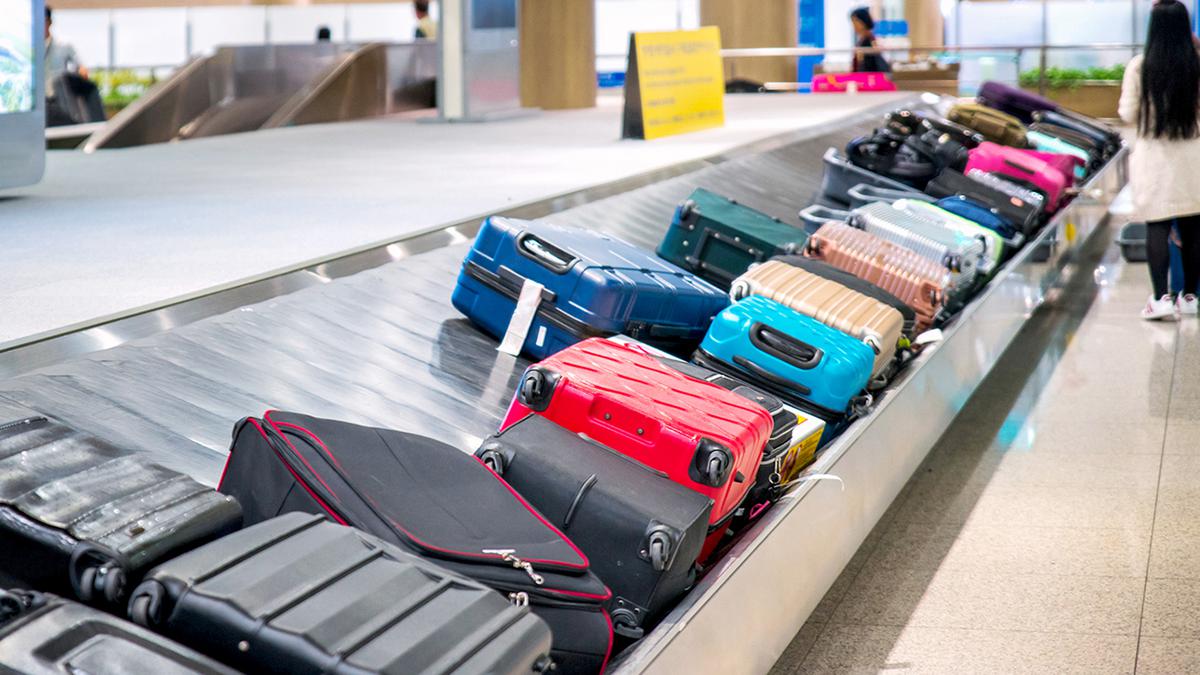
In the last two years, every one in two flyers in India had experienced damaged baggage at least once, as per a survey by LocalCircles. In the same period, every two in five flyers in India had their baggage delayed or lost by an airline at least once. Moreover, one in four flyers whose baggage was lost/delayed/damaged by an airline said that when they reached out to complain, customer service and the responsiveness of the airline was poor or pathetic.
The survey, conducted through the LocalCircles platform in 2024, garnered responses from more than 41,000 airline passengers across 303 districts in India. Of them, 67% were male and 33% female. The geographical distribution of the participants included 41% from tier-1 areas, 30% from tier-2 areas, and 29% from tier-3, tier-4, and rural areas. To take part in the survey, participants were required to be verified citizens registered with LocalCircles.
Recently, after incessant complaints from passengers, the Bureau of Civil Aviation Security, which oversees regulations, issued instructions to seven leading Indian airlines to increase their staff. This directive aimed at optimising and improving the process of baggage handling at airports before the deadline of February 26. It warned that failure to comply may lead to more regulatory measures.
Chart 1 | The chart shows the times in the last two years (2022-2024) when travellers experienced delayed or lost baggage.
Charts appear incomplete? Click to remove AMP mode
Among respondents, 18% said that they had experienced this more than once, while 24% said that they had experienced it once. Together, 42% had experienced this at least once. Only 56% said that they had always got their baggage on time.
Chart 2 | The chart shows the times when travellers experienced delayed or lost baggage in 2022 and 2024 and compares the two years.


Vibha Batra’s latest book, Spotless (Hachette India) is a novel in verse for young adults

In its first edition, the Madras Art Salon spotlights the works of journalist and artist Narayan Lakshman at The Botanical Club, a social space in the British Deputy High Commission, Chennai

Cholesterol enhances melanoma cell invasion by making nuclei squishier, revealing a potential treatment target in cancer progression.

The designers reinterpret the Swedish artist’s symbolic forms and colour energy through contemporary resortwear silhouettes

Discover the inspiring legacy of Bibha Chowdhuri, a pioneering woman in physics and a trailblazer in STEM history.

Discover the inspiring legacy of Bibha Chowdhuri, a pioneering woman in physics and a trailblazer in STEM history.

Ashdeen’s Spring 2026 collection features saris inspired by the designer’s Parsi gara archive

Red ochre burials, ritual markings and myths across cultures show that red repeatedly marks liminal thresholds such as puberty, sacrifice and death; anthropologists argue that the colour functions as a technology of collective ritual and value, binding communities through shared symbolic acts

India approves 23 institutions for quantum labs under the National Quantum Mission, aiming to advance quantum technology and research.

India approves 23 institutions for quantum labs under the National Quantum Mission, aiming to advance quantum technology and research.

The Gaza conflict exacerbates environmental damage, emitting millions of tonnes of CO2 and threatening climate stability in West Asia.

Chefs and cookery experts share smart kitchen hacks, hybrid cooking methods and appliance tips to help households reduce LPG use without compromising on food

Discover groundbreaking research on Titan's lakes, bat vaccinations, and the unique aroma of ripening bananas in just one minute.