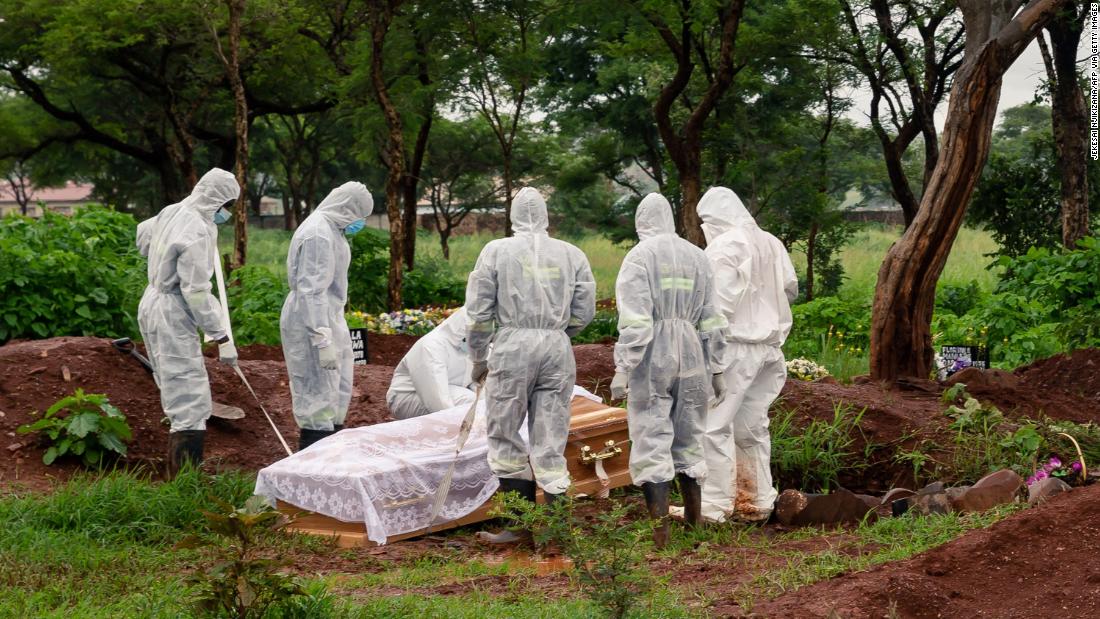
Africa's second coronavirus wave was much worse than the first, analysis shows
CNN
The second wave of the coronavirus pandemic has hit Africa much harder than the first wave, a new analysis has shown.
Daily new infections across the continent were approximately 30% higher during the second wave, according to the study published in The Lancet journal. Its authors say it is the first comprehensive continent-wide analysis of the pandemic in Africa. The data showed that while an average of 18,273 daily new cases were being reported across the continent during the first peak of the epidemic in mid-July, this number rose to an average of 23,790 by the end of December when 36 of the African Union's 55 states had experienced or were experiencing a second wave.

An Afghan man who served alongside US special forces and fled his native country after its takeover by the Taliban died over the weekend shortly after being detained by immigration authorities, according to his family and an advocacy group.

5 things to know for March 16: War with Iran, Oscar winners, Travel chaos, Severe weather, US airmen
CNN’s 5 Things AM brings you the news you need to know every morning.

The retirement of Illinois Sen. Dick Durbin after nearly 30 years in office sparked an expensive three-way Democratic primary that has showcased the party’s divisions over how to confront President Donald Trump’s immigration crackdown and introduced pro-crypto forces as an influence seeking to shape the midterm elections. The contest is also setting up a test of Gov. JB Pritzker’s political clout in the state as he eyes a potential 2028 presidential bid.

One month into the partial government shutdown, hundreds of Transportation Security Adminstration workers going without full pay have quit, prompting more travel headaches amid ongoing staffing shortages, a winter storm in the Midwest and spring break travel.

Moves to create massive new immigration detention facilities are catching local officials by surprise, leaving them and their communities scrambling for answers.

The Israeli military said the brother of the man who drove a vehicle laden with explosives into a Michigan synagogue Thursday was a Hezbollah commander killed in a strike last week.

A Rhode Island community had their own “Miracle on Ice” last night when Colin Dorgan whose mother, father and grandfather were killed in a devastating shooting last month, scored the game winning goal in double overtime to lead the Blackstone Valley Schools’ hockey team to the championship game.

As the politics around Israel shift in the US, many Democratic lawmakers and candidates are seeking distance from the American Israel Political Affairs Committee. It comes as the group is spending big to shape the outcome of primaries across the country.

Louisiana Sen. Bill Cassidy in February weighed possible political peril against a long career in medicine, ultimately casting the critical vote to confirm known vaccine skeptic Robert F. Kennedy as the president’s Health and Human Services secretary.

As CENTCOM commander, it’s up to Adm. Brad Cooper to keep the military campaign on track until a political decision is made to end it — however long that may take.

As the war with Iran continues, oil prices are soaring and airlines will see higher fuel costs – which could hit travelers around the world in their wallets.

Raúl Guillermo Rodríguez Castro, grandson of former Cuban President Raúl Castro, appeared for the first time alongside Cuban President Miguel Díaz-Canel at two public events on Friday, raising questions, according to analysts, about his role in Cuba’s leadership as the island faces calls for regime change from the United States.

Federal prosecutors charged a lobbyist with trying to extort a former client and his son to recover half a million dollars in debt, according to court filings.