Advancing equity, from COVID-19 to Mpox Premium
The Hindu
The global response to the mpox outbreak appears to be following a trajectory seen during the COVID-19 pandemic, which is the inadequacy of vaccine manufacturing capabilities in the Global South
Less than five years after the COVID-19 pandemic, the world faces the threat of another global health crisis. The World Health Organization (WHO) has, once again, declared mpox (formerly known as monkeypox) a Public Health Emergency of International Concern (PHEIC), following its outbreak in the Democratic Republic of the Congo (DRC), Africa, and subsequently spreading to over a dozen African countries. This comes on the heels of the Africa Centres for Disease Control and Prevention’s (AfricaCDC) declaration of a Public Health Emergency of Continental Security (PHECS), marking the first instance where both regional and global health emergencies have been declared concurrently for the same disease. In the days following the PHEIC declaration, cases of mpox were identified in Sweden, Pakistan and the Philippines, indicating that the virus has likely spread beyond the African continent.
This WHO declaration is significant as it is the first PHEIC announced since the May 2024 amendments to the International Health Regulations (IHR). And of all the IHR reforms, the inclusion of equity as a core principle was perhaps the most important. Although these amendments will not take effect until 2025, it is crucial that the global response to the mpox outbreak is grounded in this principle from the outset. Those amendments further expand WHO’s role as a facilitator of essential medical products during emergencies.
A PHEIC is intended to foster international cooperation. Countries, international organisations, and non-governmental organisations must collaborate to coordinate their responses, share information, and provide mutual assistance. The declaration should trigger the rapid mobilisation of financial and technical resources, including emergency funding, deployment of trained health-care workers, and provision of medical supplies.
One of the most glaring shortcomings exposed by the COVID-19 pandemic was the inadequacy of vaccine manufacturing capabilities in the Global South, exacerbated by the lack of technology transfers and the know-how to produce vaccines developed in the West. So far, the global response to the mpox outbreak appears to be following a similar trajectory.
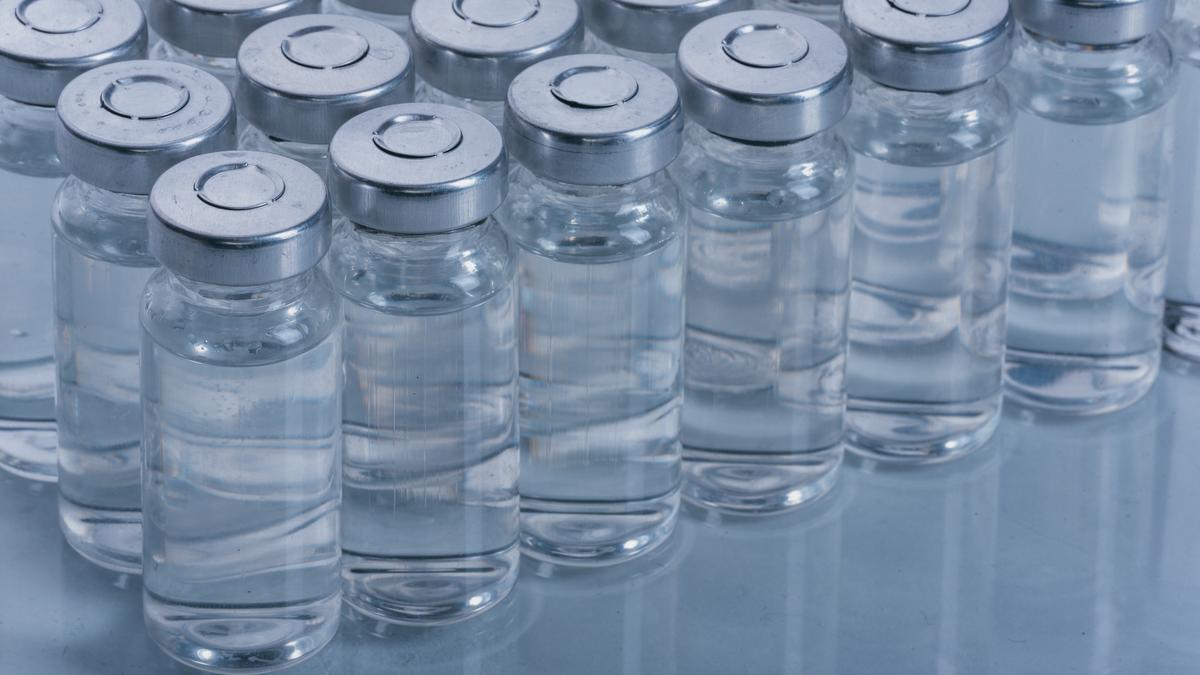
However, the present response to mpox differs significantly from COVID-19 in one key aspect: the availability of a vaccine. The Modified Vaccinia Ankara-Bavarian Nordic (MVA-BN), also known as Jynneos, is already in production by Danish manufacturer Bavarian Nordic. This vaccine, produced using primary chick embryo fibroblast (CEF) cell cultures, shares its production process with several other vaccines, including those for measles, mumps, rabies, and tick-borne encephalitis. Regulatory authorities in the European Union and United Kingdom (marketed as Imvanex®), United States and Switzerland (marketed as Jynneos®), and Canada (marketed as Imvamune®) have already approved the vaccine.
The mpox outbreak presents an opportunity to apply lessons from the COVID-19 pandemic by ramping up vaccine production in the Global South, and leveraging the existing MVA-BN vaccine. Indian manufacturers, in particular, have the potential to play a critical role in ensuring equitable access to this vaccine, ensuring it reaches the populations that need it the most, at the right time. Indeed, India was a critical partner during COVID-19, facilitating the mass production of the vaccine largely credited with saving the most lives — Oxford/AstraZeneca’s vaccine marketed in India as Covishield.
As countries closely monitor the mpox outbreak, the demand for vaccines is expected to surge. The AfricaCDC estimates that 10 million doses are needed to stem the outbreak, yet only about 0.21 million doses may be available immediately. Bavarian Nordic has informed the AfricaCDC that it has the capacity to manufacture 10 million doses by the end of 2025. The price of an mpox shot has been estimated at $100. This underscores the need for sustainable, low-cost production of the MVA-BN vaccine.


CPI-M accepts DMK's five-seat offer for Tamil Nadu Assembly elections, prioritizing INDIA bloc unity over seat demands.

Ricky Rai, son of former underworld operative Muthappa Rai, on Monday appeared before the Bengaluru Traffic Police for questioning in connection with a case involving a Lamborghini performing dangerous stunts at Anil Kumble Circle on March 21.

The Dispur election heats up as 'CongBJP' defections shape a high-stakes contest between veteran candidates from BJP and Congress.

Bengaluru's M. Chinnaswamy Stadium conducts readiness drill ahead of IPL 2026, ensuring upgrades and technical preparations are complete.

First-level randomisation of EVMs completed in Nagapattinam for upcoming elections, ensuring transparency and security.

A district-level committee in Krishnagiri has been formed to assess and verify seizure claims of goods and cash.

Minister Anam Ramanarayana Reddy pledges government support for local fishermen and farmers facing challenges in Andhra Pradesh.

MP M. Sribharat urges collective efforts to revive Visakhapatnam Steel Plant, highlighting key reforms for crucial recovery and growth.

141 candidates have filed nominations for Kozhikode's Assembly elections, with scrutiny on March 24 and campaigning intensifying.

BJP's Vijayendra accuses Congress of using money to influence Bagalkot bypolls, urging voters to reject their tactics.

First randomization of electronic voting machines completed in Tirunelveli and Tenkasi districts for upcoming Assembly elections.

RPF seizes 10.12 kg of unclaimed cannabis worth ₹5.06 lakh from a train in Mangaluru.

Kolar's groundwater levels rise to 50-100 ft due to the K.C. Valley project, ensuring clean water and improved health outcomes.