A stitch in time
The Hindu
Gara, needle work exclusive to the Parsi community, is slowly vanishing
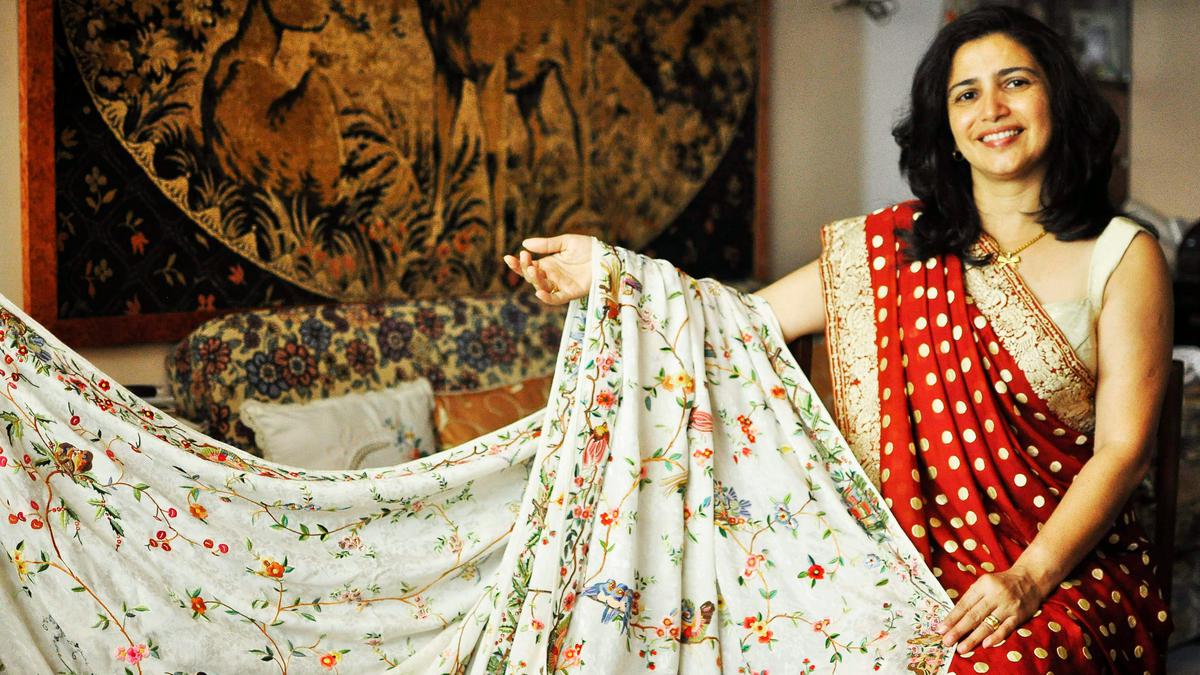
Whether it is the riveting aari threadwork of Rajasthan or the stark-yet-striking work Nilgiri Toda wool work, the traditional craft of any region is sought after. However, with the Parsi community unconfined to a specific geographic location, gara art, or their traditional pattern of embroidery is slowly vanishing. At the recently concluded Bengaluru chapter of the World Zarathushti Chamber of Commerce Winter Bazaar, the city saw a few fine examples of this art form on textiles.
Dating back hundreds of years, gara work is a combination of the forbidden knot, French knots and long- and short-stitches. Nature is a popular theme in Gara art and recurring motifs include parrots and peacocks, flowers, plants and trees. These were worked onto dark-coloured fabrics using thread in shades of cream. The original patterns depicted flora and fauna, though with time and due to the Chinese influence, pagodas and dragons also began appearing in gara work.
“Every motif that appears on a gara is imbued with meaning, symbolising divinity or prosperity. For instance, a floral pattern indicates creativity,” says Zeshah Davar, an artisan from Delhi, adding, ”Every time you wear it you feel special as there is an emotion attached to it.”
She adds Chinese words and symbols for wisdom, good luck or prosperity, embroidered in gold thread on the gara are also common. “Since there is an emotion and meaning attached to the design, it is one of the most sentimental gifts one can get or gift.”
Silks and georgettes are most commonly used for gara work, and though they primarily adorned saris and shawls, men sported them as detailing on their ethnic suits and head gear too.
According to Mumbai-based Zenobia Davar who was in Bengaluru for the bazaar, ”No one buys a gara for the simple purpose of wearing it; it is an investment in the art form. As with any work of art, it takes take time and effort and unlike many assets, garas retained their value or even appreciate, depending on their style and pattern.”
Zenobia who runs a boutique exclusively (where?)for gara-embellished apparel says her fascination with the art form began when she was a little girl. “I would spend my summer vacations helping an elderly Parsi lady in our colony with her embroidery.”


BTS's comeback concert in Seoul drew over 100,000 fans, featuring their new album "ARIRANG" and a global livestream.

Khalid Rahman is reuniting with Malayalam superstar Mammootty after Unda (2019). The Thallumaala director has teamed up with the veteran for Mattancherry Mafia.

Bollywood actor Akshay Kumar paid tribute to the martial arts grandmaster and Hollywood’s action star, Chuck Norris, who passed away on Thursday, March 19, 2026.

Renowned Odissi dancer Madhumita Raut, aged 59, dies of cardiac arrest, leaving behind a legacy of artistic achievements.

Chuck Norris, iconic martial arts master and actor, dies at 86, leaving behind a legendary legacy and internet memes.

South African naturalist Steve Boyes speaks on ghost elephants, ancestral tracking, and Werner Herzog’s documentary exploring Angola’s elusive highland giants

Actor-director Amol Palekar will receive META's Lifetime Achievement award for 2026 on March 25 in New Delhi.

India's artists unite against rising censorship, advocating for creative freedom and support for marginalized voices in the arts.

Written and directed by Kunal, the film also stars Sparsh Shrivastava and Vanshika Dhir

This year, Bharatnatyam artistes will present the Tyagaraja Aradhane as a dance performance

This year, Bharatnatyam artistes will present the Tyagaraja Aradhane as a dance performance

The actor, along with director Sushant Shah, speak about their upcoming series ‘Chiraiya’, Divya’s process of working on the dialect, Sushant’s approach to telling a story about women, and more

An independent video, ‘Feel the Spark’ by Raleigh Rajan with vocals by Ciera Dumas that celebrates Tamil literary giants, garnered 1.4 million views in less than 36 hours.