A possible solution for Bengaluru’s water crisis: Data
The Hindu
Understanding Bengaluru's water crisis: population growth, freshwater demand, groundwater depletion, and wastewater management for a resilient city.
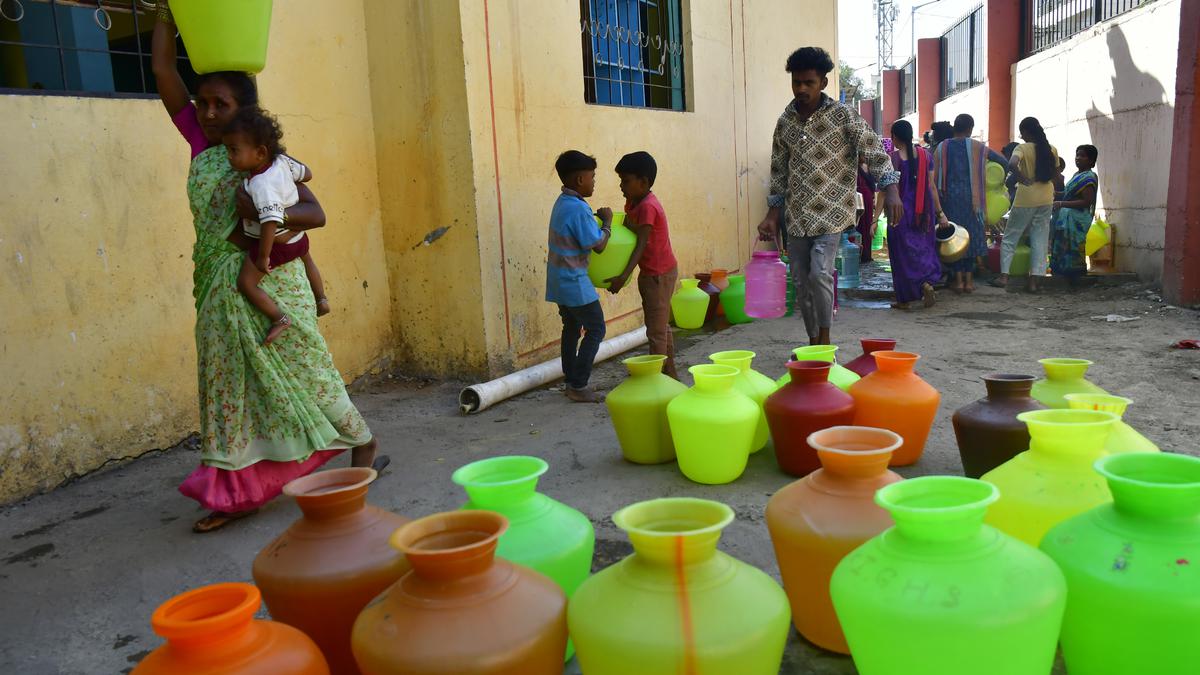
As Bengaluru grows further outwards and faster than it can cope, water supply is one of the first casualties. Attempting to piece together the puzzle – where Bengaluru’s water comes from, where it is stored, who consumes it, where the wastewater goes – is an essential first step to reduce the city’s vulnerability to floods and drought. We zoom into four different aspects to do this.
The city’s population increased from 8.7 million in 2011 to about 12.6 million in 2021 (projected). Most of the growth has been in the periphery (Maps 1 and 2).
Map 1 | The map shows the ward population in Bengaluru in 2011.
Map 2 | The map shows the ward population in Bengaluru in 2021.
Maps appear incomplete? Click to remove AMP mode
We estimate that the total demand for freshwater is approximately 2,632 million litres per day (MLD), which is higher than what is officially supplied through the Cauvery and through groundwater sources. Water from Cauvery that is used for the city’s needs has increased from 940 MLD to 1,460 MLD in the same period which, after subtracting losses, only serves half the demand. In addition, Bengaluru consumes an estimated 1,392 MLD of groundwater. This is worrying because groundwater recharge rates remain significantly lower than extraction rates.
Also read: Bengaluru, the parched IT capital of India


NITI Aayog allocates ₹1.55 crore to Guntupalli's RISE Centre, empowering women entrepreneurs through training and support initiatives.

Chief Minister Chandrababu Naidu to inaugurate ₹1.36 lakh crore AM/NS steel plant in Anakapalli, creating one lakh jobs.

Government increases commercial LPG allocation to 50% as domestic output stabilizes, supporting key sectors and migrant workers.

Thirumavalavan defends VCK's electoral strategy, emphasizing long-term goals as applications for Assembly election candidacy open March 21-24.

Officials review counting arrangements in Gobichettipalayam, ensuring facilities and infrastructure are ready for the election process.

DG Prisons inspects Siddipet jail ahead of inauguration

Reformative initiatives at Hubballi's sub-jail show positive outcomes, reducing habitual offender recidivism through various programs and activities.

Twenty-five police officers recognized for their swift actions in the arrest of a suspect in a teenage girl's murder case.

Indore's biogas plant converts urban wet waste into fuel for 400 buses, promoting sustainability and reducing fossil fuel dependence.

Thousand Lights faces parking chaos and traffic congestion despite its political significance and ongoing development efforts.

Bengaluru's BWSSB launches OTS scheme, waiving interest on water bill arrears to assist residents in clearing dues.

A lorry carrying firecrackers caught fire after hitting a high-tension wire in Hyderabad, but drivers escaped unharmed.

A Q and A career counselling column for students