5 things to know for Oct. 1: VP debate, Helene’s aftermath, Lebanon, Port workers strike, Verizon outage
CNN
CNN’s 5 Things brings you the news you need to know every morning.
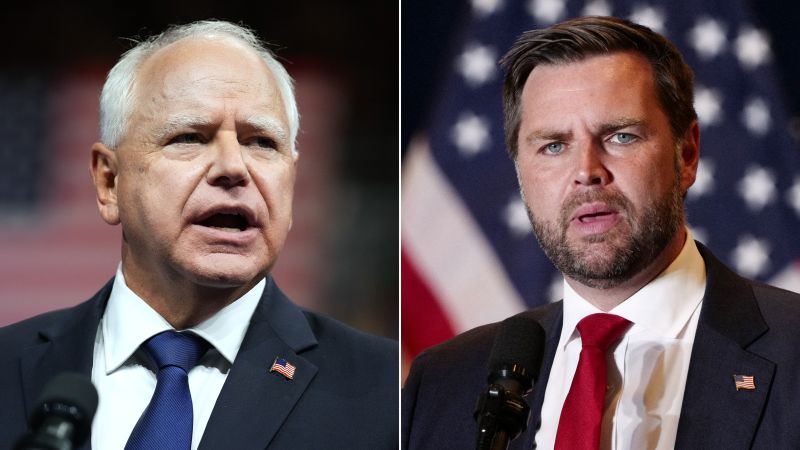
Former President Jimmy Carter turns 100 today, making him the first American president to reach triple digits. The Democrat, who served in the White House from 1977 to 1981, is widely revered for championing human rights and brokering a still-standing peace treaty between Egypt and Israel. Here’s what else you need to know to Get Up to Speed and On with Your Day. Democrat Tim Walz and Republican JD Vance will face off tonight in their first and only scheduled vice presidential debate of the 2024 election. The matchup, hosted by CBS News, will air live on CNN at 9 p.m. ET, alongside special coverage. It coincides with huge news stories unfolding at home and abroad, including Hurricane Helene recovery efforts and rapidly escalating tensions in the Middle East. Vice presidential nominees traditionally play the role of attack dog for the top of their tickets — in this case, Democratic Vice President Kamala Harris and Republican former President Donald Trump. Harris earlier this month accepted an invitation from CNN to again debate Trump on October 23, but the former president has reiterated he thinks it’s “too late” because many Americans will have begun casting their ballots. The death toll from Hurricane Helene has reached at least 130 and there are fears the number will continue to rise. Hundreds of people have been reported missing, perhaps unable to leave their location or unable to contact family where communications infrastructure is in shreds. More than 2 million customers were still without power across the southeastern US early today, according to PowerOutage.us. Extensive damage to roads and electric grids has isolated many remote communities in the Carolinas and prevented crews from reaching residents with vital supplies. Some emergency crews are relying on radio communications until mobile cell towers can be established. Israel’s military says it has begun a “limited ground operation” in southern Lebanon targeting Hezbollah. It marks the fourth time that Israeli soldiers have publicly entered Lebanese soil in nearly 50 years, and the first since Israel’s 34-day war in the country in 2006. There will be “no long-term occupation” of the country, Israeli officials said, but they declined to provide a timeline. Hezbollah said it launched strikes at soldiers in northern Israel following the incursion and vowed to continue fighting Israel in support of Palestinians in Gaza. Israel’s blistering escalation defies pressure from the US, a key ally, to reach a ceasefire deal with the Iran-backed militant group. Tens of thousands of longshore workers went on strike at midnight against the nation’s East and Gulf Coast ports, choking off the flow of many of the nation’s imports and exports in what could become America’s most disruptive work stoppage in decades. Some 50,000 members of the International Longshoremen’s Association could participate in the strike, the union said, citing demands for better wages and “protections against automation.” Depending on the length of the strike, it could result in shortages of consumer goods, which could lead to price hikes. It could also mark a setback for the economy, which has shown signs of recovery from pandemic-induced supply chain disruptions that resulted in a spike in inflation.


President Donald Trump has said ICE agents will head to US airports tomorrow amid a partial government shutdown. Follow for live updates

Cuba is working to restore the electricity supply after another island-wide blackout left more than 10 million people without power.

President Donald Trump said Sunday border czar Tom Homan will be in charge of deploying Immigration and Customs Enforcement agents to airports on Monday, with Homan telling CNN the agents will help with security at entrances and exits to ease the Transportation Security Administration’s workload.

Donald Trump wants us to believe that a deal with Cuba is close at hand. After this past week, I am not so sure.

President Donald Trump has said ICE agents will head to US airports tomorrow amid a partial government shutdown. Follow for live updates

President Donald Trump said Sunday border czar Tom Homan will be in charge of deploying Immigration and Customs Enforcement agents to airports on Monday, with Homan telling CNN the agents will assist with security at entrances and exits to ease TSA workload amid a partial government shutdown.

Janet Mills and her allies are counting on a gender gap to narrow Platner’s wide lead ahead of the June 9 primary to decide who will face incumbent Republican Sen. Susan Collins. They are betting that the unfiltered style that has brought Platner widespread attention as someone who could help Democrats reach young men will backfire with women.

Why do people “pledge allegiance” to a “state” that is no longer a state? And what spurs someone to not just attack innocent people, but to then make a statement of loyalty while doing so?

A Supreme Court case examining state deadlines for election ballots sent in the mail is just the tip of the spear in President Donald Trump’s war on mail-in voting.

As a shrinking number of Transportation Security Administration agents work to keep hourslong security lines moving despite not being paid, President Donald Trump stepped into the fray Saturday, announcing he will send Immigration and Customs Enforcement officers to airports by Monday if Congress doesn’t agree to a plan to end the partial government shutdown.

Donald Trump wants us to believe that a deal with Cuba is close at hand. After this past week, I am not so sure.

The search for missing 84-year-old Nancy Guthrie, mother of “Today” show host Savannah Guthrie, has stretched into another anguished week, with mounting pressure on investigators and a family grappling with uncertainty.

Cuba’s Ministry of Energy announced Saturday evening that entire island has suffered another electrical blackout, leaving more than 10 million people without power.