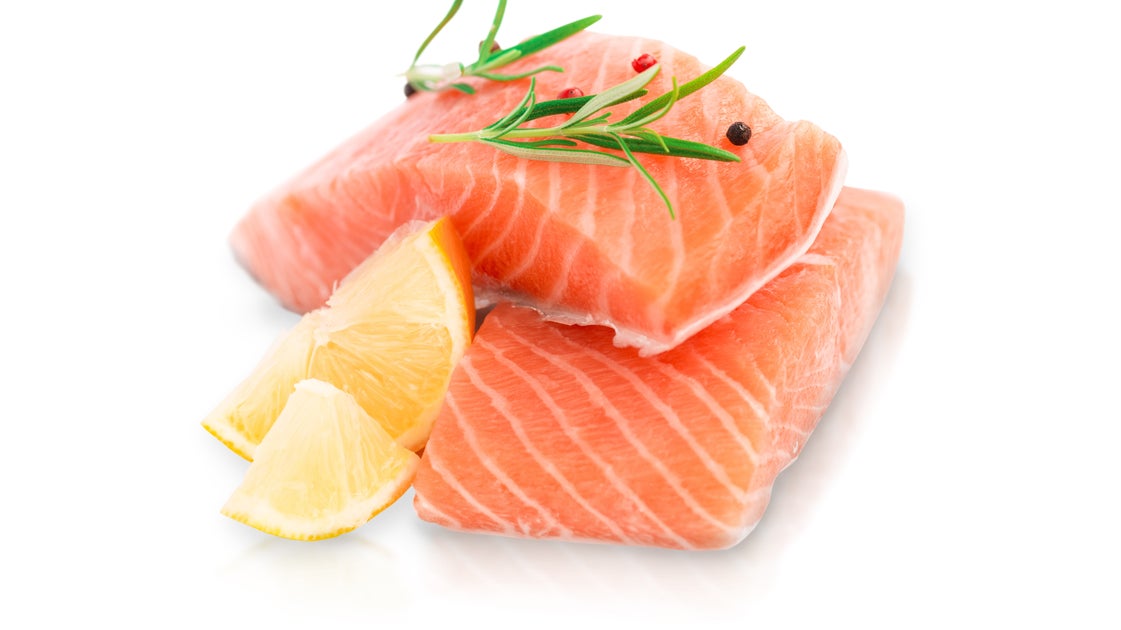
5 Salmon Myths Seafood Experts Wish Everyone Would Stop Believing
HuffPost
Fresh isn’t always better than frozen, for one.
Seafood consumption in the U.S. is at an all-time high, with salmon being the most consumed fish, according to the U.S. Department of Agriculture. It’s easy to see why salmon is so popular: A staple of the Mediterranean diet, it’s packed with nutrients, including omega-3 fatty acids (which are good for your heart, brain and skin), protein and vitamin D.
Despite its popularity, seafood experts we talked to say that there are still some common misconceptions about salmon that simply aren’t true. Here, grocery store seafood buyers, as well as seafood science professors, dispel the most popular myths about salmon and give their tips on what to keep in mind when you’re shopping.
Myth #1: Fresh is better than frozen.
When it comes to buying salmon, the first decision you have to make is whether you’re heading to the seafood counter or the frozen section. Jason Hedlund, the principal category merchant of seafood procurement at Whole Foods Market, shared that fresh salmon isn’t more nutrient-dense — or even necessarily tastier — than frozen salmon.
If you’re going to eat your salmon relatively quickly (within the next two days), Hedlund says fresh salmon is a good bet. But if you want salmon to keep on hand and you’re not sure when you’re going to eat it, go for frozen. He added that many people don’t realize that salmon is frozen mere hours after being caught, which locks in all the nutrient density and flavor.


If you and your friends still keep tabs on that girl from high school, this is for you.

These lazy (but legit) meals are homemade as hell, and much more satisfying than takeout.

You'll need a portable phone charger, compact backpack and some first aid before you pack up and go on a trip outside the country.

With TSA officers working without pay and spring break travel ramping up, experts offer tips to reduce stress and avoid missing flights.

This stowaway truly was sly as a fox.

Talking to friends about your feelings and frustrations can be healthy — but experts warn you should look out for a few damaging traps.

There's good news and there's bad news. This will help you make some sense of it.

If you have carpets or rugs, sorry: They're even dirtier than you think.

A recent study found the most commonly reported symptoms of perimenopause had nothing to do with hot flashes or weight gain.

Alleviate post-workout soreness with these expert-recommended tools.

Experts, including the U.S. Labor Department, have been warning about this moment since Trump took office.

This time of year is prime season for these fast-spreading illnesses.

Chinese medicine might have the answer to this common bedroom discomfort.