‘23’ movie review: A hard-hitting film that raises tough questions
The Hindu
23 movie review: Telugu indie film 23 (Iravai Moodu) explores real incidents, social commentary, and justice system equality in a docu-drama style.
It is tough to look at 23 (Iravai Moodu) solely as a film. The indie-spirited Telugu venture based on real incidents, written and directed by Raj R, is part social commentary, presented in a docu-drama style. Armed with a cast that includes 25 newcomers and a few established names, Raj questions if the justice system is equal to everyone. George Orwell’s statement from Animal Farm, ‘All are equal, but some are more equal than others’, sets the tone of the film that wants its audience to look at crime and its perpetrators through different perspectives.
The film’s premise is shaped by three incidents that shook undivided Andhra Pradesh in the 1990s. In 1991, the Tsunduru massacre witnessed brutal caste violence against Dalits. In 1993, 23 passengers lost their lives after two Dalit men set a bus on fire in Chilakaluripet. In 1997, a car bomb explosion in Film Nagar, Hyderabad, reportedly killed 26 and injured several others.
The film wastes no time getting to the crux of the narrative that explores the underbelly of violence, the scars on its victims and its perpetrators. The film begins with the Dalit massacre in Tsunduru and how caste, money and power decide the fate of the perpetrators.
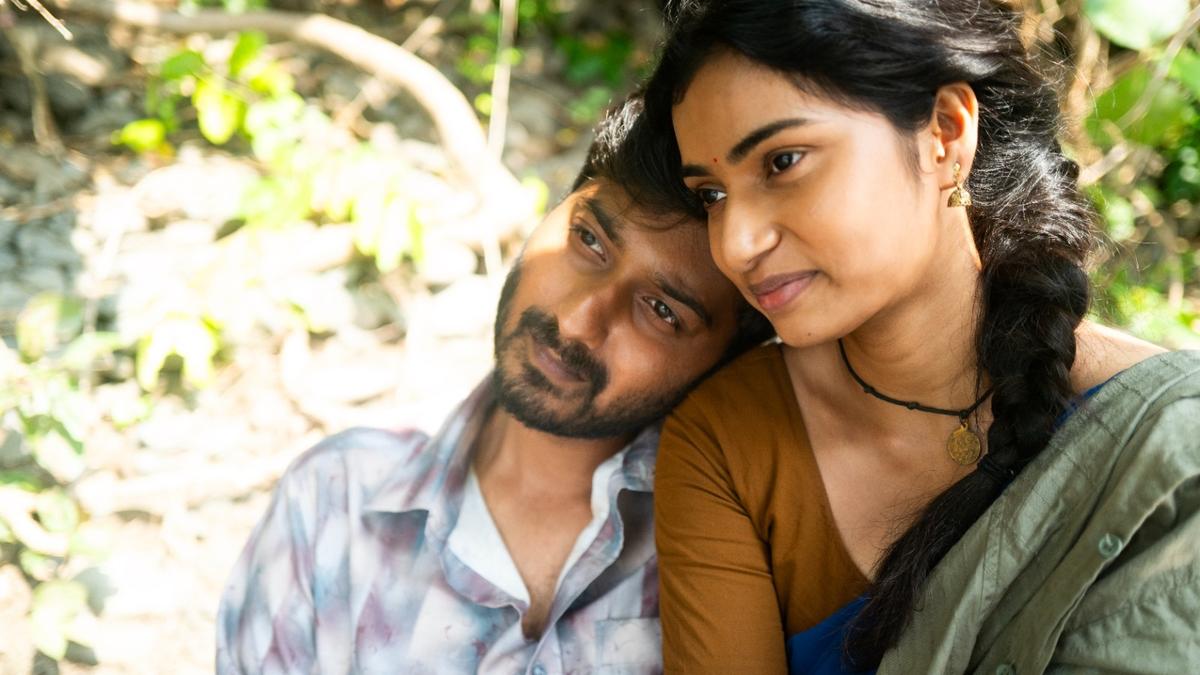
Raj takes the creative liberty to bring the narrative to life through a love story. Sagar (Teja) and Susheela (Tanmai) are a young couple nurturing a dream — to avail a loan of ₹10,000 to start an idli centre, earn a steady income and plan a life together. She earns a meagre sum as a daily wager, fending off a lecherous supervisor. He desperately seeks a loan, only to be shown the door by a corrupt officer. His friend Das (Pavan Ramesh) makes no bones about being used by the cops as false witness for cases and pockets small sums. Desperation drives Sagar and Das to make one wrong move, which spirals into a life-changing incident.
It is easy to gauge what is in store for Sagar and Das. The sequences featuring Sagar and Susheela on either side of the prison are faintly reminiscent of the separation and longing in Sapta Sagaradaache Ello, but the similarities stop there.
Several characters pop up as the story progresses — a benevolent lawyer who believes in Article 22 and that every accused has the right to defend his case, a psychologist (Jhansi) and a jailer who bats for reforms.
The first hour is devoted to unravelling the story and its principal characters, and the second hour explores multiple perspectives. In a telling scene, a prisoner who is about to be released pleads with the jailer that he is not ready for the outside world. A day later, the jailer, who learns that the free man has committed yet another gruesome crime, feels equally guilty. 23 is about such smaller moments as much as it is about the larger picture involving the three prime incidents of crime.


Gaurav Gogoi files nomination for Jorhat Assembly seat, marking his electoral debut in the upcoming Assam elections.

A round-up of events and programmes held at colleges in Tiruchi and other Cauvery delta districts

CPI(M) and Congress clash over accusations of aiding BJP, threatening the LDF-UDF duopoly ahead of Kerala Assembly polls 2026.

Shivamogga veterinarians demand accountability for the death of trainee vet Dr. Sameeksha Reddy, citing systemic failures in zoo administration.

BJP launches 'Mana Ooru–Mana Jenda' campaign on April 6 to strengthen grassroots connections and promote development in Andhra Pradesh.

Anuradha Jonnalagadda took over as in-charge Vice-Chancellor of the University of Hyderabad, focusing on continuity during the transition.

Telangana government awaits committee report on TGSRTC staff absorption, with decisions to be made at an appropriate time.

Telangana's revised pay scale implementation for employees will take timer. The tenure of Pay Revision Commission extended. Govt likely to take decision on reccomendation based on its report.

Vizianagaram's SP A.R. Damodar highlights 20 accident-prone areas and urges drivers to prioritize safety with helmets and seat belts.

Kerala HC stays disqualification of SNDP Yogam leaders, reversing a single judge's order regarding financial and regulatory compliance issues.

Karnataka announces daily supply of 10,000 LPG cylinders to hotels, easing the commercial shortage for the hospitality industry.

Malayalam superstar Mohanlal will be reuniting with filmmaker Priyadarshan, it was announced recently. It will mark the 100th film of Priyadarshan and is backed by Mohanlal’s longtime collaborator, Antony Perumbavoor

Gautham Vasudev Menon loses Madras High Court appeal, ordered to pay ₹4.25 crore to R.S. Infotainment with interest.